

LiFePO4 Home Batteries: Your 10 Most-Asked Questions Answered
Searching for home battery storage solutions leads to many important questions. Are these power systems safe for indoor use? Can they handle your household's energy needs during outages? Is the promised 20-year lifespan achievable? We've gathered the most common concerns from homeowners and provide detailed, evidence-based answers to help you make an informed decision about LiFePO4 battery systems for households.
Are LiFePO4 Batteries Safe Indoors?
Yes, LiFePO4 batteries are safe indoors when used correctly. Here’s a straightforward breakdown of why and how to ensure safety:
Inherently Stable Chemistry
LiFePO4 batteries are inherently stable and non-combustible, making them one of the safest lithium options for indoor LiFePO4 battery storage.Smart Multi-Layer Protection
An integrated Battery Management System (BMS) provides 24/7 monitoring. It prevents overcharging, over-discharging, short circuits, and operates within safe temperature limits — essential for any LiFePO4 battery system for households.Indoor Placement & Environmental Controls
To maximize safety and lifespan, follow these guidelines:
Temperature Range:
Operate and store your LiFePO4 home battery in environments between 0°C to 35°C (32°F to 95°F). Never charge below 0°C (32°F).Humidity Control:
For long-term indoor storage, maintain relative humidity below 50% to avoid moisture-related issues.Ideal Locations:
Install in a well-ventilated garage, utility room, or basement — spaces that naturally stay within recommended temperature and humidity ranges.
When you select a certified LiFePO4 home battery storage product and install it in a suitable indoor location, you significantly minimize risks, making it a reliably safe solution for home energy needs.
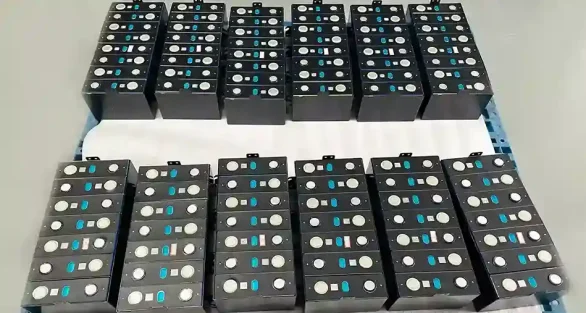
What Are the Real Disadvantages for Home Storage?
While offering significant benefits, understanding the complete picture helps set realistic expectations and make smart decisions about LFP battery home storage.
- Investment Perspective
The initial cost of a LiFePO4 battery storage solution typically exceeds traditional lead-acid batteries. However, the extended service life—often 6,000+ cycles—delivers superior long-term value, making residential LiFePO4 battery systems a wiser financial decision over time. - Physical Characteristics
For the same capacity, LiFePO4 home battery storage units tend to have a larger footprint and greater weight than some other lithium technologies. For stationary LFP battery home storage setups, this is usually a minor consideration but worth noting for space planning. - Environmental Performance
Most standard LiFePO4 battery systems for households cannot be safely charged below freezing (0°C/32°F). The solution is choosing modern LiFePO4 home battery storage units with integrated low-temperature protection, which ensures reliable operation across diverse climate conditions.
Can a Home Battery System Power a Whole House?
This common question about LiFePO4 home battery backup often arises from confusion between two critical concepts: Power (kW) and Energy (kWh).
Power (kW) vs. Energy (kWh)
Power (kW) represents the "muscle"—what your LiFePO4 battery system for households can run simultaneously.
Energy (kWh) represents the "endurance"—how long your LiFePO4 home battery storage can operate those appliances.
Real-World Performance Examples
A 10kW LiFePO4 home battery backup provides enough power to start a central air conditioner while simultaneously running your refrigerator, lights, and television. A 10kWh LiFePO4 battery storage solution can power essential circuits for several hours, though it may not support all major appliances overnight.
Solar Integration Considerations
System Sizing: For a 1.2 kWh LFP battery home storage system, a 400W-600W solar array is generally recommended for effective daily recharging.
Balance Planning: More solar panels maximize energy generation, while additional LiFePO4 home battery storage capacity maximizes energy availability.
Goal Alignment: The ideal configuration for your LiFePO4 battery storage solution depends on whether you prioritize reducing daytime grid usage or achieving 24/7 energy independence.
Practical Configuration Example
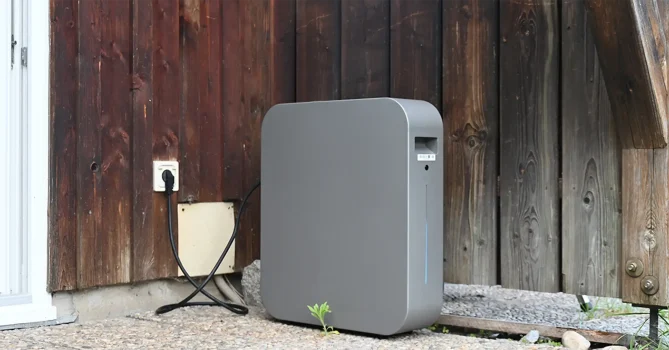
For homeowners seeking a simpler LiFePO4 battery system for households, the Batterlution PowerGo series offers independent, all-in-one AC coupled units with 2.5kWh and 5kWh capacities. Each functions as a complete, standalone LiFePO4 home battery storage system that can be deployed individually or alongside other units to meet specific household energy requirements.
How Long Does Home Battery Storage Really Last?
Quality LiFePO4 home battery storage systems are engineered for extended service life, typically maintaining 80% capacity after thousands of complete charge cycles.
- Lifespan Evidence
With cycle lives of 6,000 or more, a 20-year service life is achievable for high-quality products used in whole home battery backup system applications. This durability makes them the core of reliable LiFePO4 home battery backup systems. - Battery Health Optimization (80-to-20 Rule)
The 80-20 rule for LiFePO4 battery storage solutions represents best practice for maximizing longevity. This means avoiding regular discharges below 20% charge or consistent charging to 100% capacity. While occasional full cycles are acceptable for daily use of your LiFePO4 home battery storage, maintaining moderate charge levels extends overall system life. - Configuration Strategies
The choice between multiple smaller units versus a single larger system for LFP battery home storage involves balancing redundancy against simplicity in your LiFePO4 battery system for households. Multiple batteries offer expansion flexibility, while single units provide compact installation.
Installation and Smart Energy Management Features
Modern LiFePO4 battery systems for households have significantly simplified installation while offering sophisticated management capabilities for residential LiFePO4 battery systems.
Streamlined Installation Process
The Batterlution PowerGo series exemplifies this progress with its independent AC-coupled design. As a complete, standalone unit combining inverter and battery, this LiFePO4 home battery storage solution features straightforward installation that integrates seamlessly with existing solar photovoltaic systems.
Advanced Smart Features
Rapid Deployment: Integrated design enables quick installation of this LiFePO4 battery storage solution, reducing labor time and complexity.
Energy Management: Compatibility with Home Energy Management Systems (HEMS) enables optimized performance for LiFePO4 home battery backup.
Usage Optimization: 800W output and 1200W input capabilities support dynamic electricity pricing management.
Flexible Deployment: The AC plug-in LiFePO4 battery storage system offers multiple capacity options to meet LFP battery home storage requirements.
- Quality Verification
The Batterlution PowerGo series carries comprehensive international certifications including CE, RoHS, REACH, IEC, and VDE. These provide third-party validation of safety and quality standards for LiFePO4 battery system for households.
The Bottom Line: Evaluating Your Investment
A LiFePO4 battery system for your home represents a significant long-term investment in energy security through LiFePO4 home battery storage. The technology's proven safety advantages, exceptional lifespan that justifies the initial cost, and continuously improving affordability make residential LiFePO4 battery projects the logical choice for modern homeowners.
When considering specific products like the Batterlution PowerGo series, you can see how modern LiFePO4 battery technology for households has evolved to address common homeowner concerns—offering straightforward installation through its independent all-in-one design, flexible capacity options, and smart energy management capabilities that work with existing solar setups as part of a comprehensive LiFePO4 battery storage solution.
By understanding these key factors about LiFePO4 home battery backup systems, you'll be well-prepared to evaluate your LFP battery home storage needs and identify the optimal LiFePO4 battery system for households for your specific requirements.