

Is the Tesla Powerwall 2 Worth It? Cost, Performance, and Real Bill Savings Analysis
Have you researched home battery options and zeroed in on the Tesla Powerwall 2, but still find yourself wondering: Is it really worth it?
Whether you're dealing with rising electricity costs, frequent blackouts, or aiming to increase your green energy usage, there are many details to consider before deciding on the Powerwall 2. We understand this isn't an easy decision—it's not just about the money but also about your electricity experience for the next decade or more.
This article won’t just highlight its strengths. Instead, we’ll provide a practical overview of the Powerwall 2’s pros and cons, costs, and ideal use cases to help you determine if it’s the right fit for your home.
What Are the Advantages of the Powerwall 2?
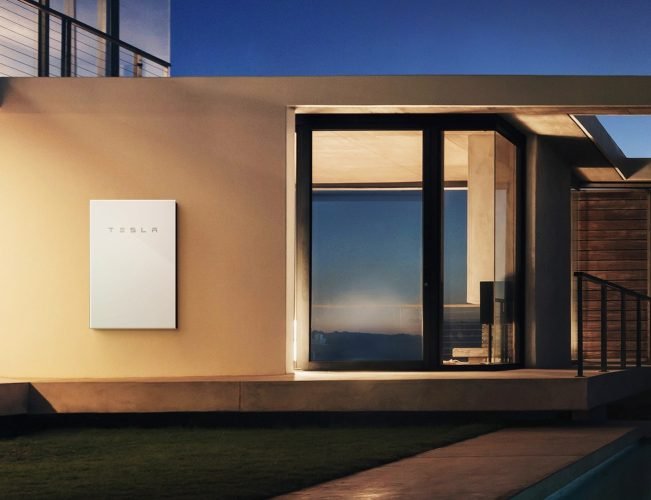
As a home rechargeable lithium-ion battery, the Powerwall 2’s main role is to store excess electricity generated by your solar panels during the day for use at night or during grid outages, thereby increasing your energy independence and achieving energy bill savings.
Its battery storage capacity reaches 13.5 kWh, with a continuous power rating of 5kW and a peak power rating of up to 7kW—enough to handle the startup current of power-hungry appliances like air conditioners and water pumps.
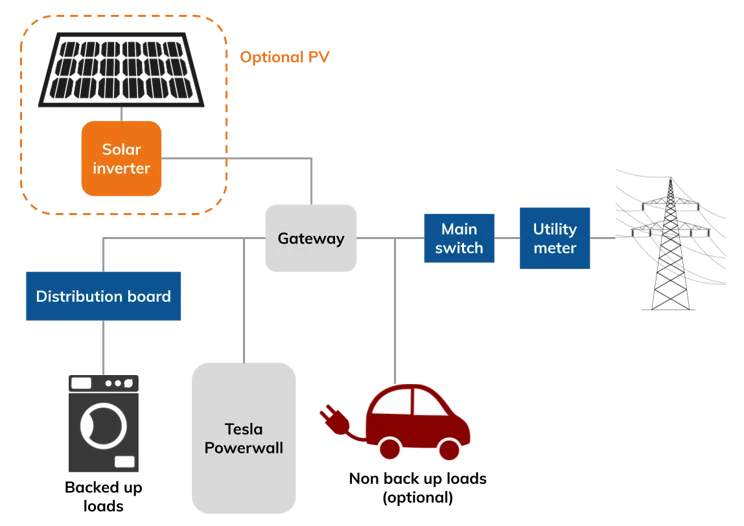
We also particularly appreciate its system compatibility. Whether you have a new solar system or are adding a battery to an existing one, the Powerwall 2 integrates seamlessly via AC-coupled technology, even supporting multiple solar arrays.
Additionally, its round-trip efficiency is around 90%, meaning energy loss during charging and discharging is low, helping to maintain good battery health over the long term. Its sleek design supports wall mount or floor mount installation without compromising system aesthetics.
What Are the Drawbacks of the Powerwall 2?
Of course, no product is perfect, and the Powerwall 2 has a few points to note:
Single point of failure risk: It uses a single bidirectional inverter for power conversion between direct current (DC) and alternating current (AC). If this component fails, the entire battery becomes inoperable and requires full-unit repair or battery replacement.
No black start capability: If the battery is fully depleted, it cannot be restarted using solar panels alone and requires grid or generator power to reboot. This can be a limitation for those in remote areas or seeking a fully off-grid system.
Size and weight: Weighing over 114 kg, installation typically requires two people and careful planning for placement and space requirements.
Alternative Option: Batterlution PowerGo Series
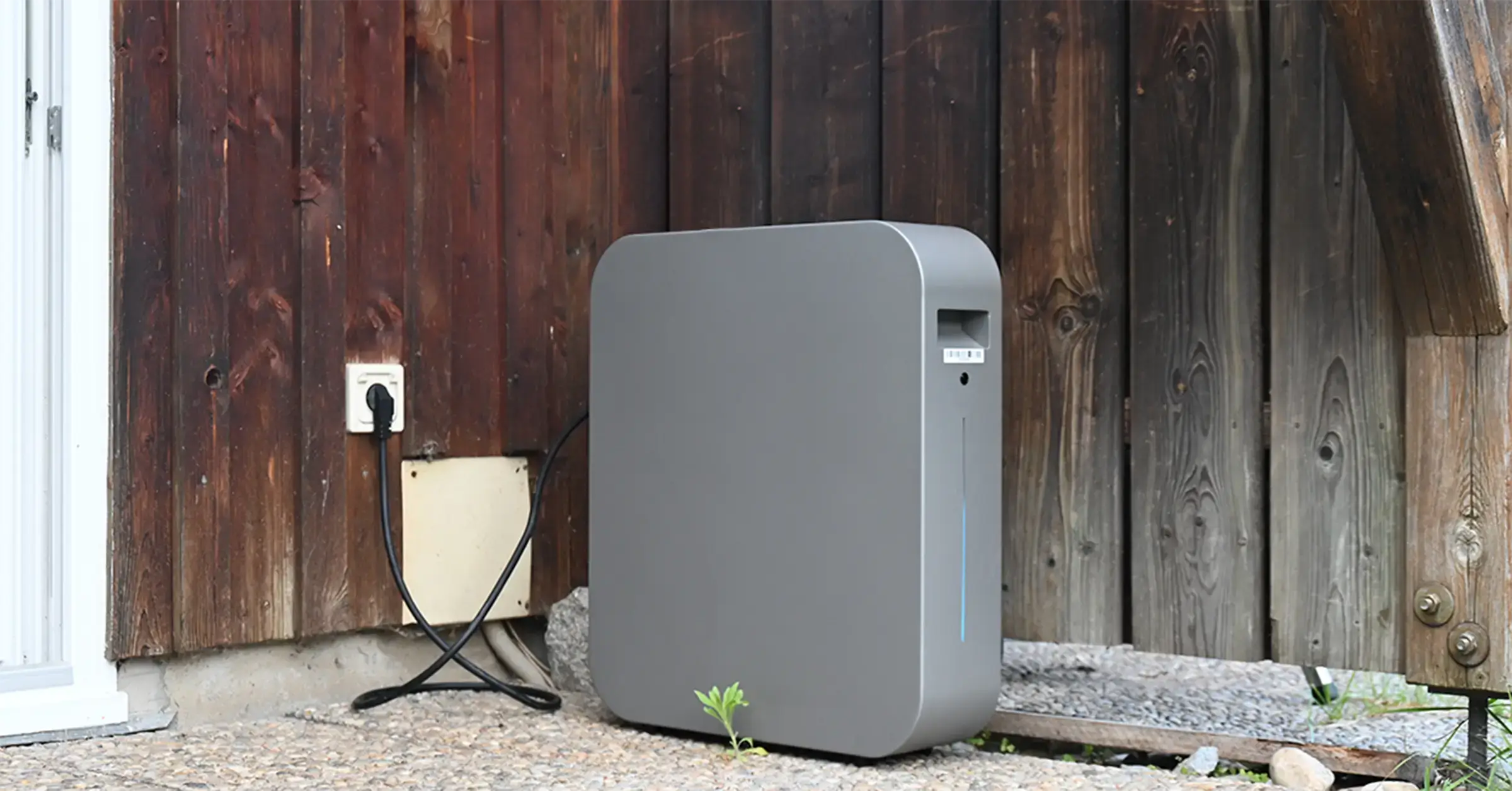
If the Powerwall 2’s cost or features don’t meet your needs, consider the Batterlution PowerGo series. This AC plug-in battery storage system stands out for its plug-and-play simplicity and minimal installation process.
Offers 2.5kWh & 5kWh capacity choices to suit different household needs
800W output supports most essential devices, 1200W input enables rapid charging
True 5-second quick installation, seamless integration with existing solar systems
Supports both on-grid and off-grid operation for flexible use
As a standalone all-in-one unit, it may not support modular expansion but offers straightforward maintenance and high reliability
Can integrate with a Home Energy Management System (HEMS) to leverage dynamic electricity pricing, automatically charging during low-rate periods and discharging during peak times
For households with limited budgets or those needing quick backup power deployment, the PowerGo is a practical choice. Especially when paired with HEMS, it evolves from a simple backup solution into an intelligent tool for energy optimization and load management.
The Economics of the Powerwall 2: Is It a Financially Sound Investment?
Let’s break down the numbers:
A Powerwall 2 unit plus the essential gateway device costs around $12,100. Including installation manpower, potential electrical switchboard upgrades, and parts and labour, the total upfront cost typically ranges from $13,500 to $18,000.
In comparison, the Batterlution PowerGo series has a much lower entry cost—around $3,000–$5,000 for the 5kWh model—with minimal installation cost. More importantly, when connected to a HEMS, it can intelligently respond to electricity price fluctuations, charging during off-peak hours and discharging during expensive periods, enhancing its cost-effectiveness.
However, their long-term savings models differ:
The Powerwall 2 suits households pursuing full energy independence. When combined with time-of-use tariffs and virtual power plant (VPP) programs, the return on investment (ROI) can be significant.
The PowerGo is better as a basic backup power source while optimizing bills via HEMS, resulting in a shorter payback period.
Generally, in regions with high electricity rates, good sunlight, and suitable energy use patterns, the Powerwall 2’s payback period is around 7–10 years. For homes primarily needing basic backup power, the PowerGo with HEMS may achieve ROI in just 2–3 years through long-term energy savings.
How Do Battery Systems Protect Your Home During a Blackout?
Although the Powerwall 2 lacks black start capability, by reserving some energy reserve (e.g., 20%) in the backup mode settings, it will automatically disconnect from the grid during a grid outage via the gateway device and supply power to designated circuits.
The Batterlution PowerGo offers a more straightforward approach—plug and play, no complex setup needed. Its 800W output is sufficient for refrigerators, lights, routers, and other essential devices. Thanks to its simple installation process, you can position it wherever it’s most needed. When working with a HEMS, it can also pre-charge based on forecasted price spikes or outage risks, enhancing power outage resilience.
After grid connection is restored, both systems can automatically resynchronize without manual intervention.
Conclusion: Which Battery System Is Right for You?
In summary, each product has distinct advantages:
Choose the Powerwall 2 if you:
Already have or plan to install solar, aiming to maximize solar self-consumption
Live in an area with high electricity costs or poor grid reliability
Have the budget for a higher upfront cost and seek long-term savings
Need to power most household appliances
Consider the Batterlution PowerGo if you:
Have a limited budget and need an economical backup power solution
Prefer plug-and-play operation without complex installation
Live in a region with dynamic pricing and want to use HEMS for bill optimization
Only need to support essential devices like fridges and lighting
Are renting or need a temporary power assurance solution
If you live in a remote area, experience frequent cloudy weather, or aim for complete off-grid living, you may need a generator or a battery system with black start capability.

Next Steps
We recommend analyzing your household energy demand and consumption behavior. Review your electricity bills to understand your daytime consumption versus nighttime usage, and clarify your primary goal—saving on bills or ensuring blackout protection. If needed, we can assist with a detailed power usage analysis and system configuration simulation to help you make a confident decision.