

How to Improve the Safety of Lithium Battery Storage Systems
Lithium-ion batteries have become the industry standard for rechargeable energy storage devices. However, with the increasing adoption of lithium battery storage, incidents involving lithium-ion battery fires are also on the rise. Understanding the technology is key to mitigating these risks. Lithium batteries offer significantly higher energy density—up to 100 times greater than traditional energy sources—making battery energy storage systems (BESS) more efficient, but also requiring careful battery management.
Lithium batteries fall into two main categories: primary and secondary. Primary (non-rechargeable) lithium batteries contain metallic lithium anodes and are designed for single use. Secondary (rechargeable) lithium-ion batteries use intercalated lithium compounds in both the anode and cathode. Among these, LiFePO4 (lithium iron phosphate) batteries are widely used in battery energy storage system (BESS) applications due to their safety and stability.
A single Li-ion cell operates within a voltage range of 2.88–3.65V. During discharging, lithium ions move from the anode to the cathode, reversing direction during charging. The flammable electrolyte in these batteries typically consists of organic carbonates like ethylene or diethyl carbonate, with flashpoints ranging from 18°C to 145°C. This composition introduces significant fire hazard if not managed under proper storage conditions.
How Can the Safety of Lithium-Ion Batteries Be Improved
Enhancing the safety of lithium-ion batteries is crucial due to the inherent risks posed by their high power/capacity and flammable electrolytes. Issues such as physical damage, electrical abuse (e.g., overcharge, over-discharge), and exposure to excessive heat can trigger thermal runaway—a dangerous and hard-to-control failure.
Battery chemistry also affects safety. For example, LiFePO4 battery packs are generally safer than NMC types because they are less prone to thermal runaway. Other factors influencing fire severity include battery pack size, chemistry, and state of charge (SOC). In case of failure, flammable gases like carbon monoxide and hydrogen may be released, posing ignition risks. Compliance with safety standards such as IEC 62619 and IEC 62620 is essential in Europe.
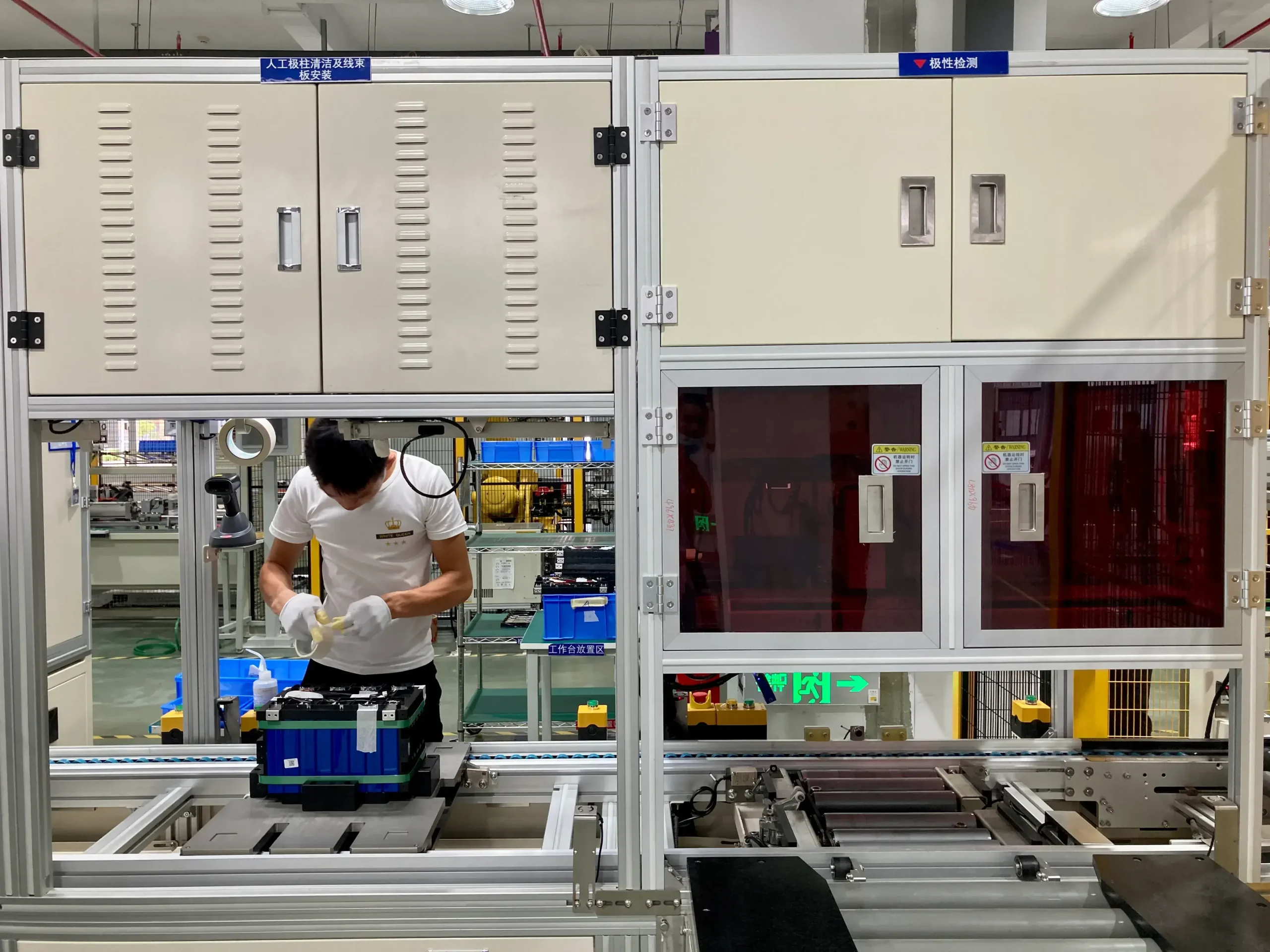
Best Practices for Storing and Using LiFePO4 Battery Packs
LiFePO4 battery storage and usage require adherence to standard operating procedures (SOPs) to minimize risks. Below are key guidelines:
LiFePO4 Battery Storage:
Store batteries in a dedicated storage area, away from combustible materials. For long-term storage, remove batteries from the device.
Use a battery storage cabinet with a non-combustible surface (e.g., steel shelf). A bunded battery cabinet is recommended for leak containment.
Maintain storage temperature between 5°C and 20°C (41°F and 68°F) and ensure humidity control and adequate ventilation.
Avoid locations with direct sunlight, hot surfaces, or open flames.
Avoid bulk storage in non-designated areas such as offices or homes.
Separate fresh and depleted cells (or keep a log) and perform regular monitoring of the battery condition.
Conduct visual inspections of LiFePO4 battery storage areas at least weekly.
For long-term storage, charge batteries to approximately 50% charge capacity and recharge them at least once every six months.
LiFePO4 Battery Procurement:
Purchase LiFePO4 batteries from a reputable manufacturer or supplier.
Avoid batteries shipped without protective LiFePO4 battery packaging (e.g., hard plastic or equivalent).
Inspect batteries upon receipt and safely dispose of any damaged batteries.
What Are the Safety Considerations for Storing and Using LiFePO4 Battery Cells
Safe battery handling begins with understanding operational limits and adhering to the following safety guidelines:
Never attempt charging a primary lithium battery, and store these one-time use batteries separately from rechargeable ones.
Before long-term storage, charge or discharge the LiFePO4 battery to approximately 50% of its charge capacity.
Always use the correct charger certified for the specific battery cell, and ensure it operates at the specified parameters to avoid overcharging or deep discharging.
Disconnect batteries immediately if, during operation or charging, they emit an unusual smell, develop excessive heat, change shape/geometry, or behave abnormally. Dispose of these batteries properly.
Remove cells and battery packs from chargers promptly after charging is complete. Do not use the charger as a storage location.
Where possible, charge and store batteries in a fire-retardant container.
Avoid parallel charging batteries of varying age and charge status, as this can lead to high current load, battery damage, and overheating. Before parallel charging, check the voltage; all batteries should be within 0.5 Volts of each other.
Never exceed voltage limits: overcharging above 4.2V or over-discharge below 3V must be avoided.
Improving the Safety of Lithium-Ion Batteries in Applications
In research or experimental settings, a proactive approach to battery handling is essential. Follow these safety guidelines to mitigate risks:
Be careful not to damage the battery casing or electrical connections.
Keep batteries away from conductive materials, water, seawater, strong oxidizers, and strong acids.
Do not place batteries in direct sunlight, on hot surfaces, or in hot locations.
Inspect batteries for signs of damage before use. Discard any dented battery or swollen unit and dispose of it properly.
Keep all flammable materials away from the operational zone.
Allow batteries to cool before charging or using them.
Consider using batteries with soft casings and vents. Additionally, use protective shielding to prevent accidental contact.
Crucially, be aware of the specific hazards of your research. When working with high-power batteries or in extreme conditions, you must implement additional safety precautions.
Always have an emergency plan in place that includes procedures for fire suppression, evacuating the area, and seeking medical attention.

A Safety Framework for Lithium-Ion Battery System Design and Risk Assessment
Designing lithium-ion battery systems for specialized applications is a highly interdisciplinary endeavor that requires qualified designers. To address the unique challenges, adhere to the following framework:
Follow Safety Standards and Conduct a Comprehensive Risk Assessment:
Best practices outlined in European safety standards such as IEC, IEEE, TÜV, and VDE must be followed.
System design must include a hazard assessment that identifies health, physical, and environmental hazards. Critically, all identified hazards must be appropriately mitigated through a combination of engineering and administrative controls.
Incorporate Baseline Design Criteria:
The risk assessment should inform specific design and operational criteria, including:Failure Scenario Analysis: Failure scenarios, including thermal runaway, must be considered during design and testing to ensure that a failure is contained and not catastrophic.
Strict Thermal Management: Maintain cells at the manufacturer's recommended operating temperatures during charging or discharging to prevent overheating.
Conservative Electrical Design: Size and specify battery packs and chargers to limit the charge rate and discharge current to 50% of the rated value (or less) during use. This reduces current load and mitigates overheating risks.
High-Voltage Safety Protocols: Practice electrical safety procedures for high-capacity battery packs (50V or greater), which present serious electrical shock and arc flash hazards. This includes the use of Personal Protective Equipment (PPE) and insulating or protecting all exposed conductors and terminals.
How Does a BMS Protect a Lithium Battery from Overheating or Catching Fire
A Battery Management System (BMS) plays a vital role in battery operation safety. It continuously monitors parameters such as voltage, current load, and temperature. In cases of overvoltage, overcurrent, or high temperature, the BMS cuts off the circuit to prevent overheating or ignition. This is the primary method to prevent hazardous events.
For added protection, some systems include a thermal runaway stopper (or suppression module). When excessive heat or fire is detected, this module releases a gas that forms a glue-like substance, which attaches to the high-temperature point (fire point) to insulate it from oxygen, thereby helping to suppress flames and stop thermal runaway from propagating.
Together, the BMS and this thermal runaway stopper form a multi-layered defense—significantly enhancing the reliability and security of lithium battery storage systems.