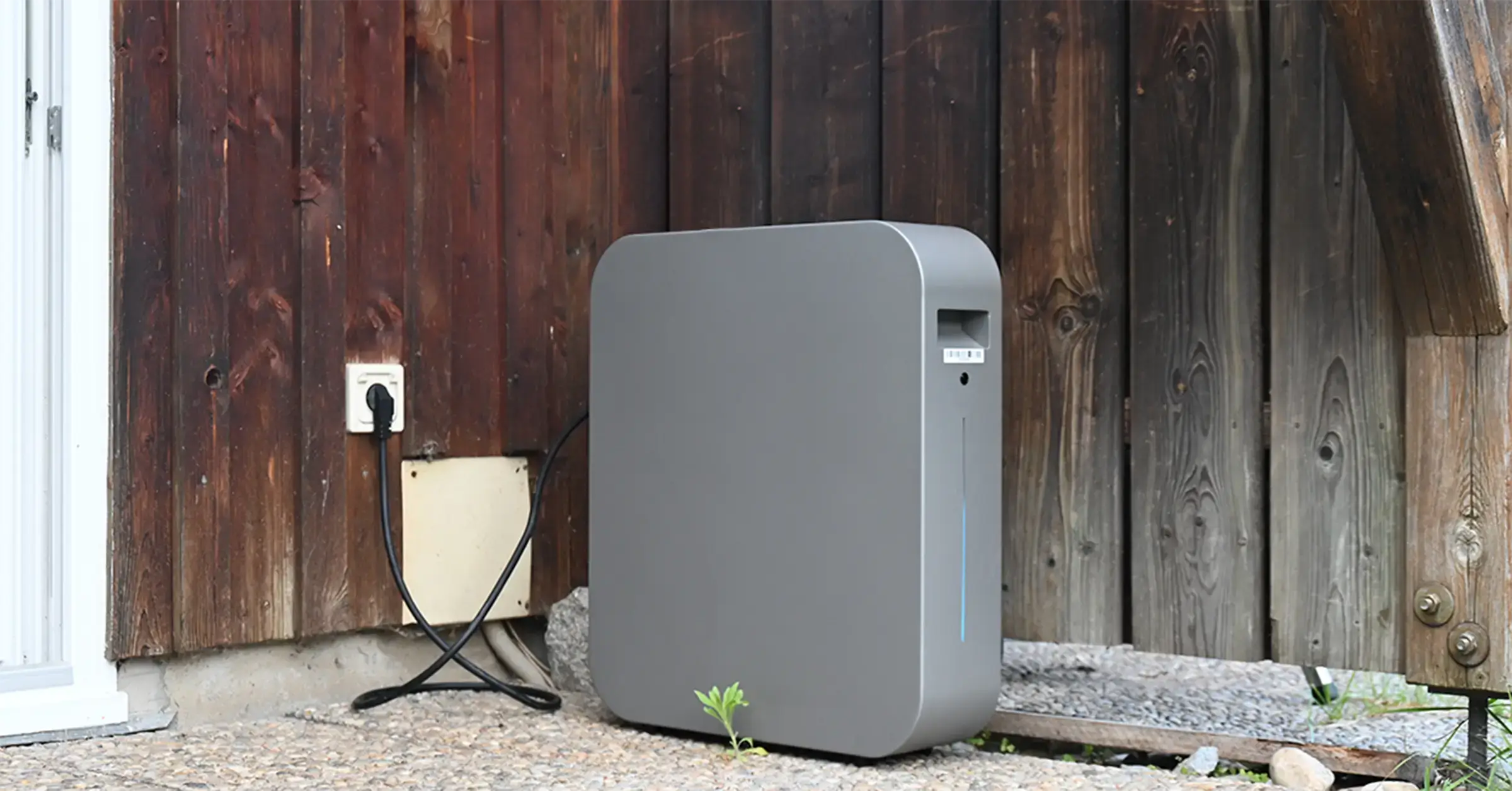

Home solar power station as a clean, independent energy power station is used and installed by more homes. However, various doubts exist regarding whether photovoltaic modules generate radiation and pose a threat to health safety.
Do solar panels emit radiation?
We want to learn more about solar panels. They are basically made up of many smaller solar cells. These panels convert sunlight into electricity, which is a great way to get clean energy. But first, we need to figure out what kind of radiation they produce, understand the types of radiation, the safety of the radiation. And what kind of radiation will be produced by the installation of solar PV panels. Can solar radiation harm the human body?
What is radiation categorized as?
Ionization: refers to the process where uncharged matter turns into charged matter due to radiation effects.
Ionizing radiation: a phenomenon in which rays capable of ionizing neutral atoms propagate in air or other media
For example, nuclear radiation can cause ionization as the energy released from atomic decay of radioactive matter is high, nuclear radiation is also known as ionizing radiation.
There are various types of ionizing radiation, namely alpha rays (α-rays), beta rays (β-rays), X-rays, gamma rays (γ-rays), and neutron radiation. Although X-rays and gamma rays are electromagnetic waves, they are categorized under ionizing radiation due to their high energy.
non-ionizing radiation:
Another type of radiation is non-ionizing radiation, is the electromagnetic radiation that does not cause ionization. Typically, non-ionizing radiation is also known as electromagnetic radiation.
Electromagnetic radiation: the rays that cannot ionize neutral atoms propagate in the medium.
This encompasses the "lower" frequencies of the electromagnetic spectrum, specifically visible light, infrared rays, microwaves, radio waves (needed by broadcasting stations and mobile communication devices), and low-frequency electromagnetic waves.
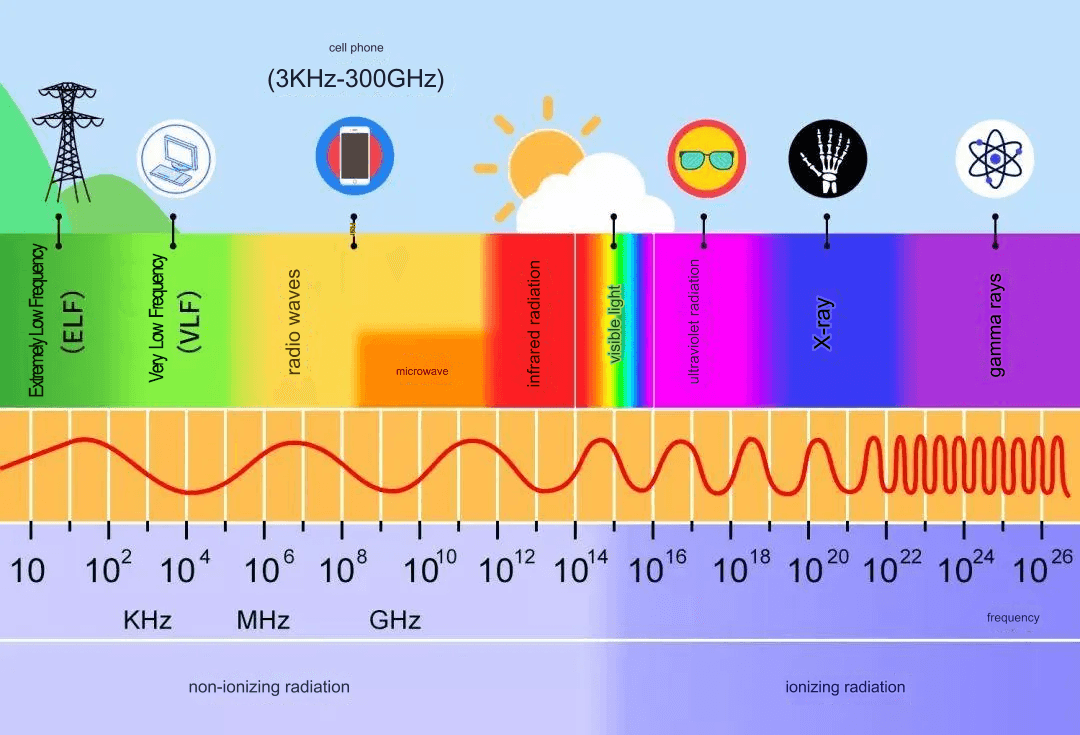
For example, our daily appliances such as televisions, computers, mobile phones, etc., produce a certain degree of electromagnetic radiation. Solar power mainly relies on the photovoltaic effects, i.e., the direct conversion of sunlight into electrical energy using solar cells, and does not produce any form of radiation during this process. Therefore, from a scientific standpoint, balcony solar power systems do not produce harmful ionizing radiation for the human body.
What radiation does a solar PV panel produce?
The radiation emitted by solar panels is primarily electromagnetic radiation, which is harmless to humans. This electromagnetic radiation originates mainly from the semiconductor materials in the solar panels and is very weak in intensity. Additionally, solar panels are typically installed outdoors and maintained at a safe distance from people. The electromagnetic radiation generated by the solar panels during operation is quickly dissipated into the atmosphere, further reducing the risk of exposure to humans.
It's important to note that the electromagnetic radiation from solar panels differs from that emitted by electronic devices.
Not all radiation is harmful to humans. Besides electromagnetic radiation, there is also ionizing radiation, which can damage DNA in human cells and pose health risks. Ionizing radiation commonly comes from nuclear reactors, radioactive elements, and other sources. The radiation emitted by solar panels is electromagnetic radiation, not ionizing radiation.
At the physics level, As different radiations have different energies, their mechanism of interaction with matter is also different. Hence, we often categorise radiation as ionizing radiation and non-ionizing radiation.
Does the radiation emitted by solar panels cause cancer?
Numerous studies conducted by global public health researchers have shown that solar panels pose no harm to human health, whether they are operating or idle, and they do not cause cancer. The primary materials used in solar panels are silicon and aluminum. Thanks to years of technological advancements, silicon materials today have an extremely high purity level with virtually no harmful elements. Additionally, solar panels are typically encased in sturdy glass and aluminum frames, effectively isolating the internal materials from human contact. Even thin-film solar panels, which may contain small amounts of toxic substances, are completely sealed within aluminum and glass enclosures.
Solar panels are widely used in communities, on residential rooftops, and balconies. Compared to traditional fossil fuel power generation, solar power can reduce reliance on natural gas and coal, and it produces no harmful emissions during the power generation process. This helps improve air quality and promotes the development of clean energy.
What are the benefits of solar PV panels over fossil fuels after learning about PV panel radiation?
- From the perspective of personal health, the balcony PV system or rooftop PV system has no effect on the human body, his radiation is general electromagnetic radiation, not harm health.
- From the environmental point of view, the more use of solar energy system to reduce dependence on fossil fuels, help to reduce the traditional electricity generated pollutants such as carbon dioxide and other greenhouse gas emissions.
In conclusion, solar photovoltaic panels are a safe and reliable technology that can aid us in transitioning towards greener energy consumption methods. The installation of photovoltaic power stations, whether it is rooftop photovoltaic or balcony photovoltaic, is very cost-effective, which can not only make the home electricity cheaper and more independent, play a significant role in alleviating global warming and promoting environmental sustainability.
If you are considering installing photovoltaic panels as a power station, you can do so assuredly, as it is a responsible choice for the future.
Does Batterlution’s 2.5kWh/5kWh AC-Coupled Battery Emit Radiation?
No. Batterlution's 2.5kWh AC-coupled battery produces electromagnetic radiation during charging and discharging processes. This is due to internal chemical reactions rather than external electromagnetic fields. Additionally, the PowerGo 2.5kWh & 5kWh AC-coupled battery is equipped with a built-in DC-coupled inverter and Wi-Fi monitoring. It allows for flexible charging and discharging, as well as efficient storage of direct current generated by solar panels. Real-time monitoring of both the battery and the AC-coupled inverter is also possible.