
L1–L5 Data Center Commissioning Lifecycle
Review
Acceptance
Acceptance
Testing
Systems IST
Industry-standard commissioning progresses through five phases, aligning with ASHRAE Guideline 0-2019 and Uptime Institute Tier Standards. Batterlution load banks play a critical role in L4 and L5 — the phases where real validation happens and where most projects under-invest.
Read the 50 MW Commissioning SOP — Full GuideDesign & Documentation Review
Verify that all system designs, single-line diagrams, and equipment specifications meet the project's Basis of Design (BOD). Focus is entirely on paper review — no physical work on-site.
- Review single-line electrical diagrams against design intent
- Verify equipment submittals and manufacturer specifications
- Confirm UPS sizing, generator ratings, and cooling capacity calculations
- Identify design gaps before procurement is finalized
Batterlution Role at L1
At this stage, Batterlution engineers support the load bank specification — confirming that the commissioning load bank fleet is correctly sized for the planned IST and L4 step-load scenarios.
Factory Acceptance Testing (FAT)
Individual components — UPS units, generators, PDUs, chillers — are tested at the manufacturer's facility before shipment.
- UPS full-load FAT at manufacturer facility (using factory load banks)
- Generator load acceptance test at rated kVA and power factor
- Chiller and CDU thermal performance certification
- Witness testing with project owner representatives
Batterlution Role at L2
Batterlution Containerized Load Banks are frequently deployed at generator manufacturers for large-scale FAT, validating engine-alternator performance from 500 kW to 5 MW before shipping to site.
Site Acceptance Testing (SAT)
Equipment installed on-site is individually verified and powered on. Systems are confirmed to function in standalone mode.
- Verify correct installation of all electrical equipment
- Static inspection of cable routing, grounding, and bonding
- Individual power-on tests for UPS, PDU, and lighting panels
- Basic network and BMS connectivity confirmation
Batterlution Role at L3
Pre-stage load bank fleet on-site. Verify communication links between load banks and the Batterlution Multi-Platform Synchronization Software ahead of L4 testing.
Component & Subsystem Testing
Individual systems are tested under real load conditions — but not yet in combination. This is where UPS battery runtime, generator step-load response, and PDU branch circuit loading are first validated.
- UPS step-load testing: 0 → 25% → 50% → 75% → 100% rated capacity
- Generator transient response: block load application at 25%, 50%, 100%
- PDU branch circuit and busway load distribution verification
- Cooling subsystem performance at rated airflow / liquid flow rates
- Battery discharge runtime test under full UPS rated load
- Individual CDU thermal acceptance: ΔT measurement at rated flow
Recommended Load Bank Products for L4
Real IT equipment is not yet on-site. Batterlution intelligent load banks serve as precision "server stand-ins," replicating the exact thermal and electrical footprint of your planned IT load.
Integrated Systems Testing (IST)
The ultimate validation. All systems operate simultaneously under full simulated IT load. A controlled "black start" — a complete utility power loss — is triggered to verify the entire power chain.
- Simulate complete utility loss at 100% simulated IT load
- Verify generator start time (target: <10 s cold start)
- Confirm ATS transfer time <20 ms (no data corruption threshold)
- Measure UPS hold-up time with load banks at 100% capacity
- Verify automatic restoration and re-synchronization on utility return
- Full hot-aisle temperature mapping during IST peak load phase
- CDU liquid loop pressure and ΔT stability verification under transient load
Recommended Load Bank Products for L5 IST
Multiple load banks operate in parallel under synchronized software control. The complete fleet must respond identically to load-step commands during the black-start sequence.
Three Core Commissioning Challenges — One Platform
Every data center commissioning project faces the same trio of validation challenges. Batterlution provides purpose-built load bank products for each scenario.
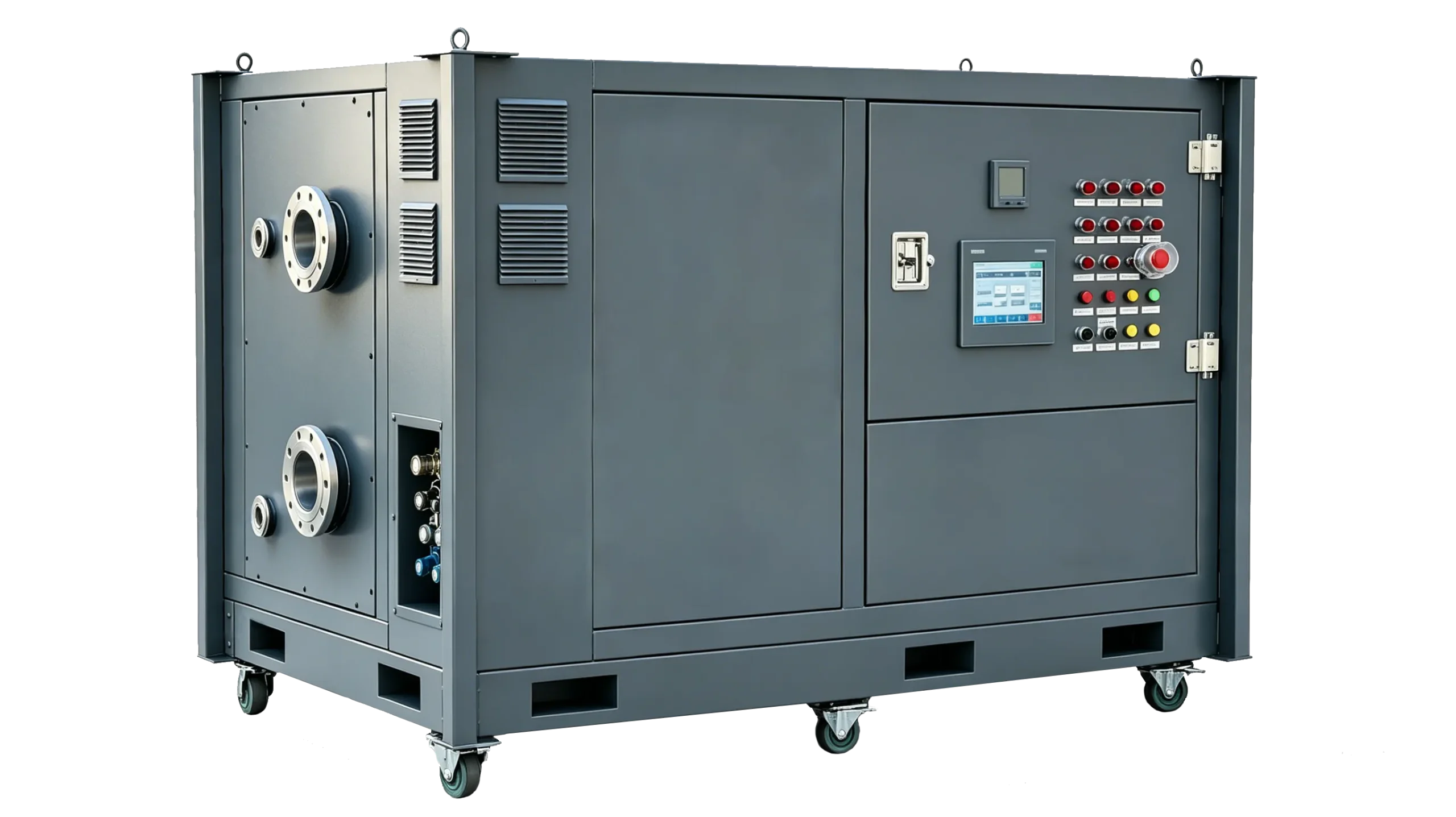
Liquid-Cooled Load Bank
Purpose-built for validating liquid-cooled data center infrastructure — CDUs, coolant loops, and high-density heat exchangers — without the space constraints or thermal penalties of air-cooled alternatives.
Key Specifications
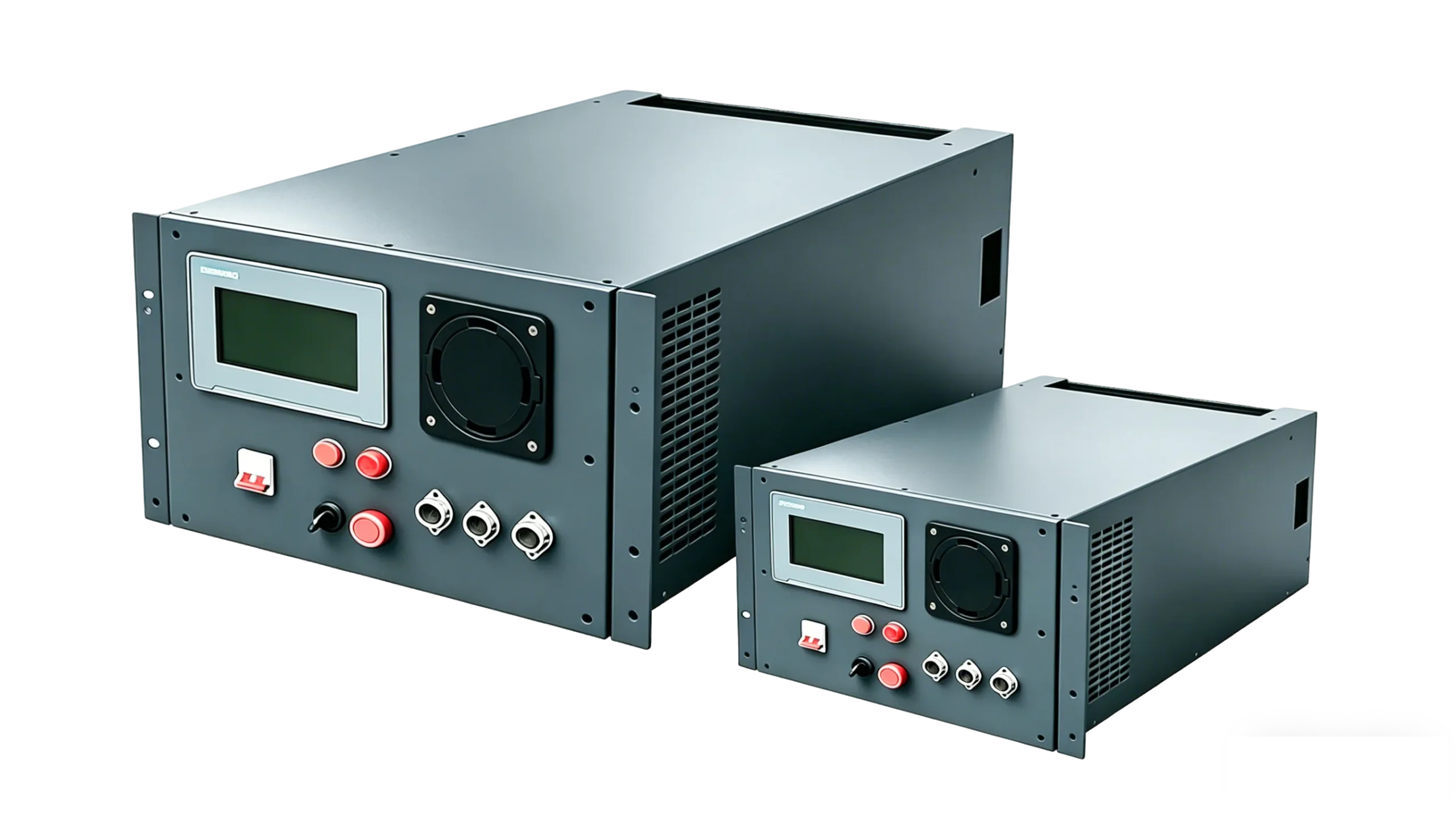
Rack-Mounted Liquid-Cooled Load Bank
Designed to replicate the exact thermal and electrical footprint of AI/GPU server racks. Drops directly into 19-inch cabinets and integrates with the existing liquid-cooling loop for in-rack IST validation.
Key Specifications
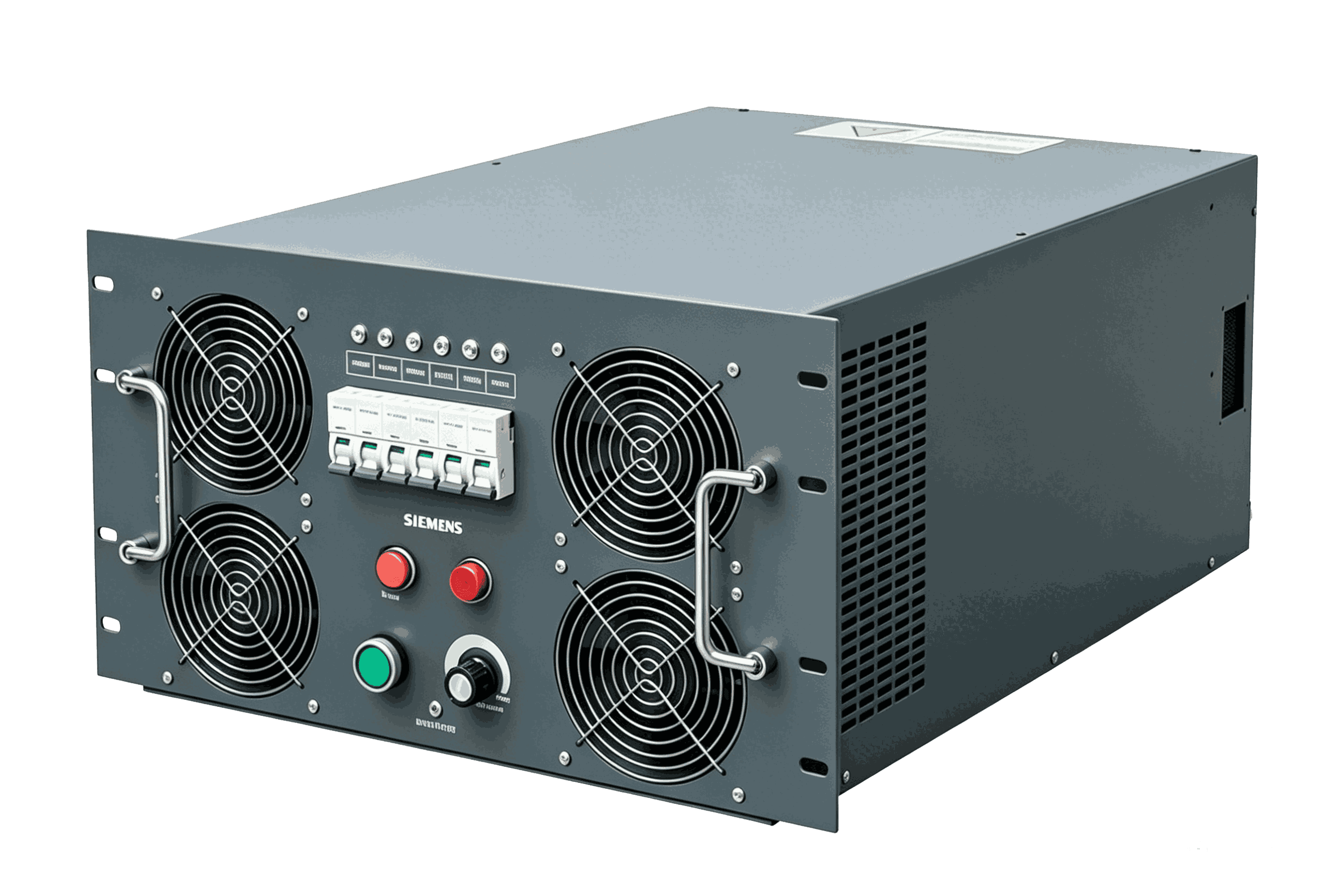
Dual-Source Load Bank (DLB Series)
Simultaneously loads Source A and Source B power feeds — validating UPS redundancy, ATS transfer logic, and battery hold-up time under full dual-feed conditions in a single test cycle.
Key Specifications
Quick Load Bank Selection Guide
| Application Scenario | Recommended Product | Power Range | Cooling Method | Voltage |
|---|---|---|---|---|
| AI / GPU cluster liquid-cooled DC | Rack-Mounted Liquid-Cooled Load Bank | 10 kW – 30 kW per U | Liquid-cooled (PG25/PG30 glycol) | AC 208–480 V |
| Server room A/B power redundancy test | Dual-Source Load Bank (DLB) | 5 kW – 200 kW | Air-cooled (adjustable CFM) | AC 208–480 V |
| Standard rack thermal footprint | Server Room Rack-Mounted Air-Cooled | 3 kW – 50 kW | Air-cooled (front-to-back airflow) | AC 208–480 V |
| Generator / transformer MW acceptance | Containerized Load Bank (CLB) | 500 kW – 5 MW+ | Forced-air / hybrid | AC 400 V – 13.8 kV |
| Reactive power / power factor testing | Reactive Load Bank (RLC) | 100 kW – 2 MW | Air-cooled | AC 400–690 V |
Intelligent Control.
Automated Reporting.
For commissioning engineers, manual data logging across 20+ load banks is not just painful — it's a compliance risk. Batterlution's Multi-Platform Synchronization Software turns a multi-rack IST into a single synchronized operation.
Technical Guides From the Field
Batterlution engineers document real commissioning workflows to help your team build bulletproof SOPs — and to provide authoritative reference material for your commissioning authority (CxA) review.
50 MW AI Data Center Commissioning Guide: A Practical SOP for GPU Cluster Testing
A step-by-step commissioning SOP for hyperscale AI data centers. Covers L4 component testing through L5 Integrated Systems Testing (IST) black-start sequences for 50 MW GPU cluster facilities.
Read the full guide →Data Center Load Bank Selection Guide: Air-Cooled vs. Liquid-Cooled vs. Containerized
A practical decision framework for commissioning engineers selecting load bank technology. Covers power density thresholds, cooling architecture compatibility, voltage requirements, and project timeline considerations.
Read the selection guide →Data Center Commissioning Acceptance Checklist: L1 to L5 Sign-Off Template
A downloadable, audit-ready commissioning acceptance checklist covering all five phases. Includes pass/fail criteria for UPS step-load testing, generator transient response, ATS transfer time, CDU thermal acceptance, and IST black-start validation.
Download the checklist →CDU Acceptance Testing with Liquid-Cooled Load Banks: Methodology and Pass/Fail Criteria
Detailed technical methodology for verifying Coolant Distribution Unit (CDU) performance in high-density liquid-cooled data centers. Covers ΔT measurement protocols, transient response testing, and pressure-drop acceptance thresholds.
Read the technical brief →