
Are all AC-coupled inverters grid-tied?
Yes. All AC-coupled inverters are grid-tie inverters. They're bi-directional (AC/DC), using the same hardware to charge and discharge batteries.They're mainly used for two things:
Solar retrofits - Adding battery storage to existing grid-tie solar systems.
Lithium battery testing - Sending energy back to the grid during aging tests, cutting production costs.
Both applications require the AC-coupled inverter to connect to the grid.
In our previous article, we took an in-depth look at how to distinguish AC-coupled inverters and explained what they are (AC-Coupled vs. Hybrid Inverters – A Deep Dive by Batterlution). However, when selecting the right inverter for your needs, questions often arise about their grid connection method: "Are all AC-coupled inverters grid-tied?" To answer this, we need to delve deeper into how AC-coupled inverters work and explore their application scenarios to find the answer step by step.
Working Principle of AC-Coupled Inverters
As the name suggests, an AC-coupled inverter operates by coupling on the AC side. Unlike traditional DC-coupled inverters that connect directly to solar panels to convert generated DC power into AC power, AC-coupled inverters interface with an existing grid or AC loads. These inverters convert DC power into AC power synchronized with the grid's frequency and phase, enabling both grid-tied power generation and off-grid power supply.

Types of AC-Coupled Inverters
AC-coupled inverters are primarily categorized based on their grid connection methods, divided into:
Grid-Tied AC-Coupled Inverters
These inverters convert the DC power generated by photovoltaic (PV) arrays into grid-synchronized AC power and feed it into the grid. They must operate in sync with the grid, ensuring that output voltage, frequency, and phase align with grid standards.
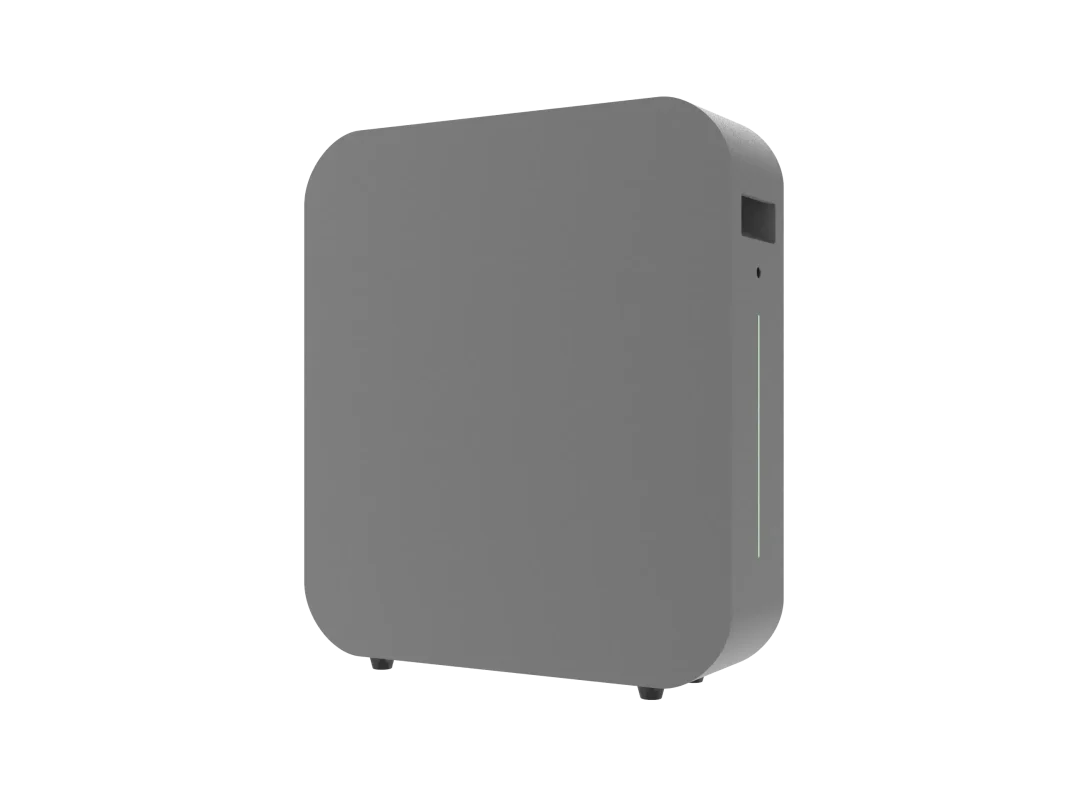
Batterlution has introduced an innovative all-in-one grid-tied AC-coupled inverter (PowerGo 2500/5000). This device not only supports PV system integration but also functions as a pure bidirectional AC battery. It dynamically adjusts charging/discharging strategies based on real-time electricity pricing, helping users maximize energy efficiency. Additionally, it comes with a mobile app monitoring system, allowing users to check system status, manage energy usage, and achieve smart energy management anytime, anywhere.
Off-Grid AC-Coupled Inverters
As the name suggests, these inverters convert DC power from solar panels into AC power for local loads, making them ideal for off-grid applications. They are typically paired with energy storage systems, ensuring power supply during insufficient solar generation (e.g., cloudy or rainy days). Comparison Grid-tied inverters are more grid-dependent and require higher power quality standards, but they offer greater economic benefits and simpler system design. Off-grid inverters provide stronger energy independence but come with higher costs and more complex system configurations.
How the Batterlution PowerGo Implements "Buy Low, Sell High" for Electricity Cost Savings
Against the backdrop of global energy transition, dynamic electricity pricing (Time-of-Use Tariff, TOU) has been introduced to address structural challenges in energy systems, promote renewable energy integration, and enhance market efficiency. This pricing model adjusts electricity rates according to supply and demand conditions, with higher rates during peak hours (e.g., evenings) and lower rates during off-peak periods (e.g., late night).
For households equipped with solar-plus-storage systems, leveraging AC-coupled inverters like the Batterlution PowerGo series for peak-valley arbitrage has become a crucial strategy to reduce electricity expenses. The system intelligently stores energy during low-rate periods and discharges during high-rate periods, enabling users to maximize their energy savings through optimized electricity consumption patterns.
AC-coupled inverter for peak/valley arbitrage with “charge low, discharge high” strategy
Batterlution PowerGo series is an AC-coupled inverter that supports dynamic tariff management, automatically charging during low tariff hours (e.g., 0-6 a.m.) and discharging during high tariff hours (e.g., 18-22 p.m.) to maximize maximize electricity revenue. For example:
Assuming a low price of $0.3/kWh and a peak price of $1.0/kWh, a storage system charging/discharging 10 kWh per day would save
- (1.0-0.3) x 10 = $7 per day, or over $2,500 per year.
In extreme electricity price markets (e.g., some regions in Australia have peak electricity prices of up to $0.5/kWh), the benefits are even more significant.
Global Dynamic Tariff Application Cases
Different countries have implemented dynamic tariff policies to encourage users to stagger their electricity consumption:
Europe (Germany, France): adopting time-of-use tariffs + renewable energy subsidies, and PV households can get a premium for selling electricity to the grid at peak tariffs.
Australia: Real-Time Pricing (RTP) has been implemented in some states, where the price is updated every 5 minutes, and smart inverters can be combined with AI to predict the optimal charging and discharging time.
Mobile App Flexible Smart Regulator
Batterlution PowerGo's energy management app helps users:
Automatic Mode: Fully automatic charging and discharging according to preset tariff periods, without manual intervention.
Customizable strategies: e.g. “Prioritize PV for self-consumption, store surplus power” or “Charge when grid price is low”.
Remote monitoring: View charging and discharging records and electricity saving data in real time to optimize electricity consumption habits.
Not all AC-coupled inverters are grid-connected; their specific function depends on the type and application scenario. Grid-connected AC-coupled inverters rely on grid synchronization and are suitable for high-efficiency power generation and dynamic tariff strategies (e.g., Batterlution PowerGo's “Buy Low, Sell High”), while off-grid models operate independently and are suitable for use in areas without a grid, and are paired with an energy storage system to ensure a stable power supply.
Batterlution PowerGo All-in-One System
Batterlution PowerGo series integrated system helps users maximize benefits in dynamic electricity pricing markets through intelligent charge/discharge strategies and mobile app control, while promoting efficient utilization of renewable energy. When selecting an inverter, it's essential to choose the appropriate type based on grid-connection requirements, electricity pricing policies, and energy management objectives to achieve an optimal balance between cost-effectiveness and reliability.