

Home Storage Batteries Experience Thermal Runaway? How to Choose a Safe Home Energy Storage Battery
Understanding Thermal Runaway in Batteries
Thermal runaway is a chain reaction triggered by various factors that can cause a battery's temperature to rise rapidly, potentially leading to fire or explosion. In lithium-ion batteries, in addition to normal charging and discharging reactions, there are many potential exothermic side reactions. When the battery temperature is too high or overcharged, it can easily be triggered.
Despite large-scale lithium-ion battery energy storage systems have transitioned from the "early commercialization" to the "large-scale development" stage. However, fires have occurred in large numbers and varieties of lithium-ion batteries on the generation side, grid side, and user side.

Choosing the Right Battery Model and Features to Avoid Safety Issues
"The characteristic parameters of lithium-ion batteries vary, and the early capture of thermal runaway is not accurate, leading to a lack of early warning for the unique characteristics of thermal runaway under the operating conditions of energy storage power stations, and a lack of multiple safety protections." According to a battery researcher, "We have verified several issues through 58 physical tests on batteries from different manufacturers. Firstly, the electrical characteristic parameters of thermal runaway are insensitive and lagging; secondly, the fire and smoke alarms are not timely; thirdly, the existing gas and other chemical fire extinguishing agents cannot suppress the re-ignition of the battery; fourthly, there are significant differences between mechanical and thermal-induced thermal runaway and charging and discharging thermal runaway."
- The trigger for thermal runaway in lithium-ion battery systems lies in internal short circuits within the battery, such as insulation failures, aging, high summer temperatures, and direct contact between copper and aluminum at battery busbars, leading to overheating.
The tips of choose safe Lithium-Iion Battery
Ensure that the battery has a monitored BMS system
In fact, every lithium battery has its corresponding BMS system and communication protocol. However, before selecting and purchasing, we must confirm this function and confirm with the salesperson whether there is a monitoring APP or upper monitor computer software to monitor the battery status.
Through upper monitor monitoring, we can also find the battery problem and monitor the specific parameters of the battery more quickly when a problem occurs, so that after-sales service personnel can solve the problem.
Temperature monitoring and control: The BMS have the function of monitoring the temperature of each individual battery in the battery pack in real time, and trigger corresponding protection measures.
Battery balancing: The balancing function can prevent excessive voltage differences between individual batteries, reducing the possibility of local overcharging or over-discharging.
Accurate SOC/SOH estimation: Accurate SOC (State of Charge) and SOH (State of Health) estimation helps to avoid overcharging and over-discharging, reducing the risk of thermal runaway.
Fault diagnosis and alarm: The BMS should be able to detect internal short circuits, open circuits, and other faults in the battery in time and issue an alarm.
Thermal management system and shell protection
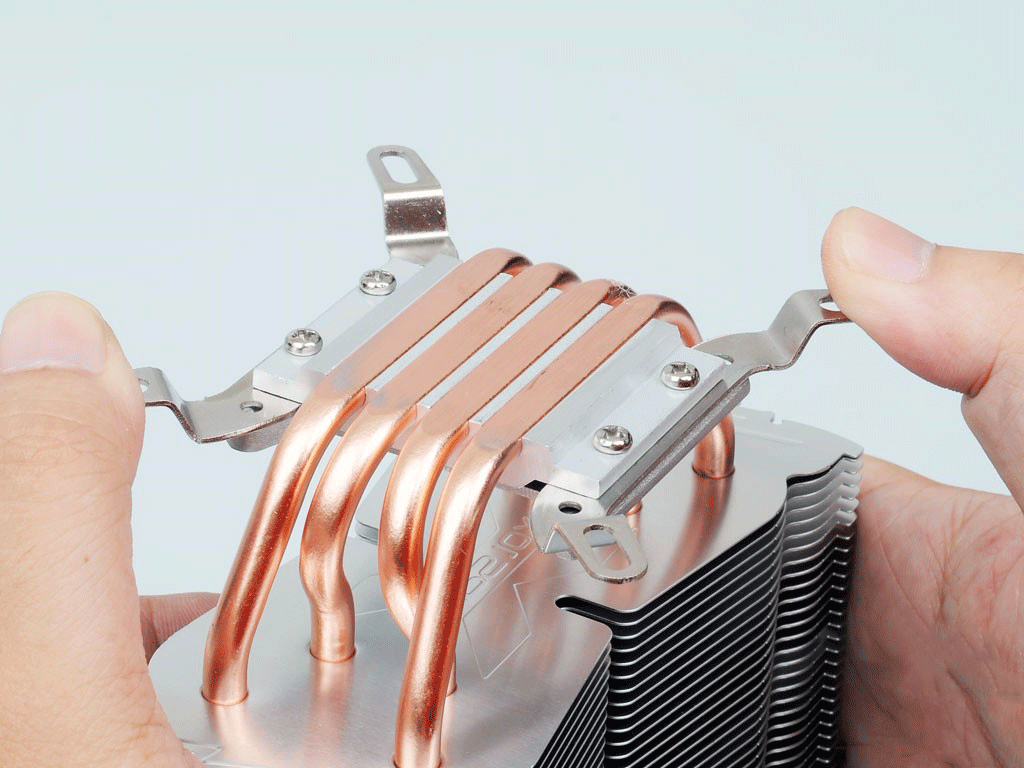
- Heat dissipation design: The battery shell and internal structure should facilitate heat dissipation, and methods such as air cooling and liquid cooling can be used.
- Battery shell material: Flame-retardant materials should be used to slow down the spread of fire. High-temperature resistant materials should also be used to improve the operating temperature range of the battery.
Battery shells are generally made of alloy materials, which have good thermal conductivity and are lighter, making them more suitable for home mobility and handling.
Battery safety protection functions:
Overcharge protection: When the battery charging voltage exceeds the set value, the protection circuit will automatically cut off the charging current to prevent the battery from overcharging and causing thermal runaway.
Over-discharge protection: When the battery discharge voltage is below the set value, the protection circuit will automatically cut off the discharge current to prevent the battery from over-discharging and causing capacity decay.
Over current protection: When the battery current exceeds the rated value, the protection circuit will automatically cut off the circuit to prevent the battery from overheating.
Short-circuit protection: When a short circuit occurs inside or outside the battery, the protection circuit will quickly cut off the circuit to prevent excessive current from damaging the battery.
Temperature protection: The battery has an internal temperature sensor. When the battery temperature is too high or too low, the protection circuit will take corresponding measures, such as stopping charging or discharging.
Reverse polarity protection: Prevents the positive and negative poles of the battery from being reversed, causing battery damage.
Certifications and standards:
Compliance with relevant industry standards: Ensure that the product complies with national or international safety standards for energy storage batteries.
CE certification: Mandatory certification in the European Union: The CE mark is a passport for products to enter the European market, indicating that the product complies with the basic requirements of relevant EU directives.
IEC 62133 certification: This is a safety standard for rechargeable lithium-ion battery packs that covers the design, manufacturing, testing, and marking requirements of battery packs.