

How Long Will a 100Ah Battery Last? Your Runtime Guide
If you own or are considering a 100-amp hour (100Ah) battery, a key question is likely on your mind: how long will a 100Ah battery last in real-world use? Whether you need to know how long a 100Ah lithium battery will run an appliance that requires 800W, or you're calculating 100Ah battery backup time for home essentials during an outage, the answer depends on a simple calculation.
This guide provides a clear formula to estimate your 100Ah lithium battery backup time and explains the critical factors that affect its lifespan. You'll learn not just how many hours a 100Ah lithium battery can power your devices, but also why its performance differs from other types.
By the end, you'll be able to confidently answer questions like "how long does a 100Ah lithium battery last?" and effectively manage your power needs, whether for home backup, RV trips, or camping.
What Does Ah Mean on a Battery? Understanding 100 Amp-Hours (100Ah)
The "Ah" (amp-hour) rating measures a battery's energy storage capacity. For a 100Ah lithium battery, this means it can deliver 100 amps for 1 hour, 10 amps for 10 hours, or 5 amps for 20 hours. Understanding this relationship is crucial when calculating how long a 100Ah battery will last for your specific needs.
Practical Application & Calculation
To determine 100Ah battery backup time, use this simple formula:
● 100Ah ÷ Your Device's Current Draw (A) = Runtime (hours)
For example, to calculate how long a 100Ah battery will run an appliance that requires 800W at 12V:
800W ÷ 12V = 67A
100Ah ÷ 67A ≈ 1.5 hours
This calculation method helps answer common questions about 100Ah lithium battery how many hours of power you can expect, whether for home backup, RV use, or outdoor activities.
Capacity Comparison
For reference, converting 100Ah to mAh equals 100,000 mAh - demonstrating the substantial capacity of these batteries compared to smaller electronic devices.
By understanding amp-hours, you can accurately predict battery performance and select the right power solution for your requirements.
Types of 100Ah Batteries: Choosing the Right Power Solution
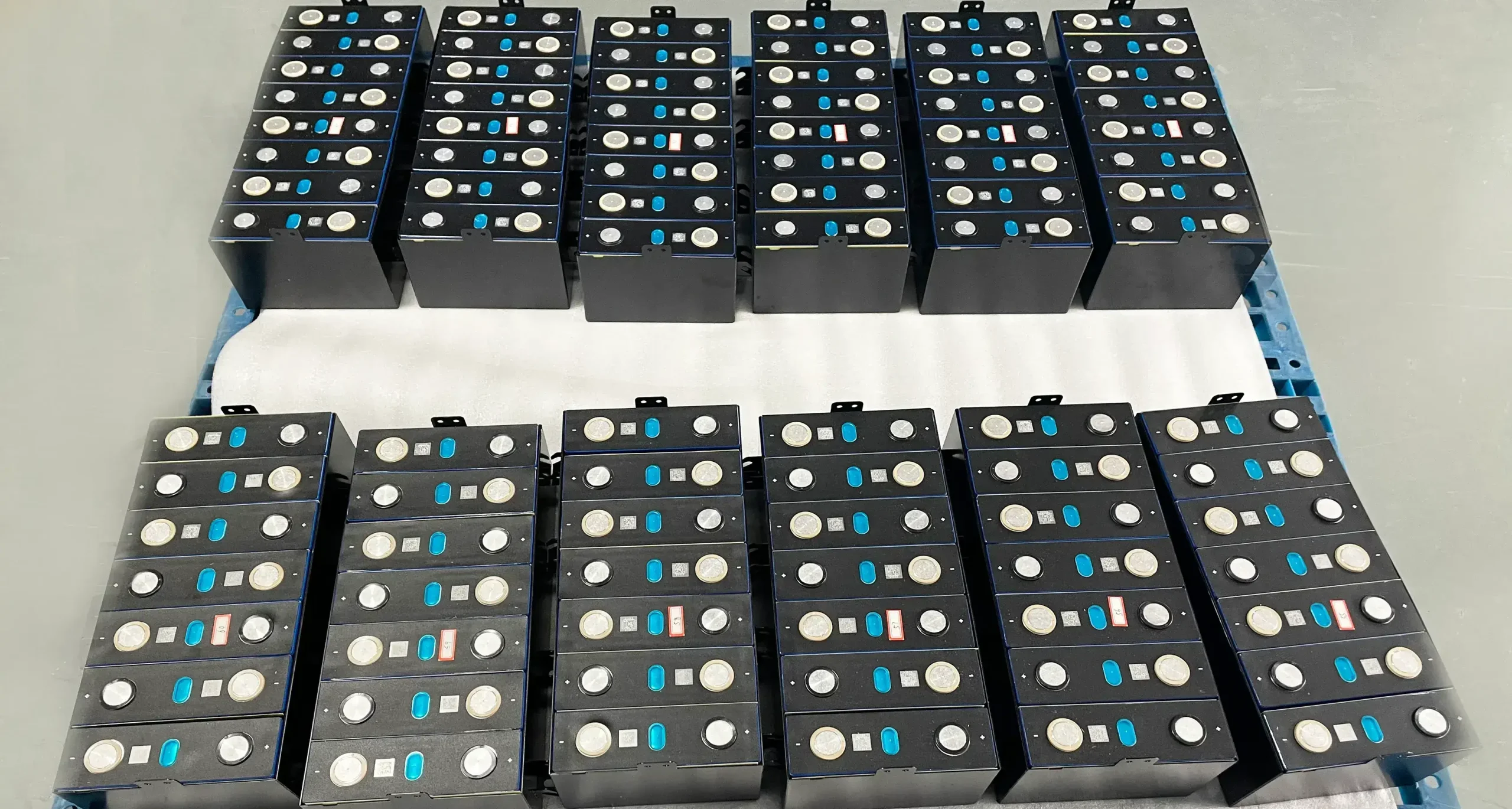
When selecting a 100Ah battery, you'll encounter three main technologies: 100Ah lithium ion batteries, 100Ah LiFePO4 batteries, and 100Ah lead acid batteries. Each type offers distinct advantages and limitations, making them suitable for different applications and budgets. Understanding these differences is crucial for making an informed decision. While all provide the same nominal capacity, their real-world performance, lifespan, and safety characteristics vary significantly. This guide will help you navigate the key distinctions to select the optimal 100Ah battery for your specific power requirements.
Lithium-ion batteries are known for their high energy density and long life. High energy density means they can store more energy per unit of weight. They can withstand 500 to 1000 charge cycles. They are commonly used in portable electronic devices, electric vehicles and renewable energy systems.
These batteries are lightweight and can store a lot of energy in a small space. A typical 100Ah Li-ion battery can provide a reliable power source for a variety of applications, making it a popular choice.
LiFePO4 or Lithium Iron Phosphate batteries are a type of lithium-ion battery that offers increased safety and longer cycle life. Also high in energy density and slightly heavier than lithium-ion batteries, but with safety, these batteries are known for their stability and resistance to overheating. They are typically used in applications where safety is a priority, such as electric vehicles, solar systems and backup power. Compared to other lithium-ion batteries, 100Ah LiFePO4 batteries can withstand more charge and discharge cycles and have a relatively low upfront cost.
Lead-acid batteries are one of the oldest types of rechargeable batteries. They are heavier and bulkier than lithium-ion batteries, but they are also more affordable. Lead-acid batteries are commonly used in automotive applications, uninterruptible power supplies (UPS) and backup power systems. Although they have a shorter cycle life and lower energy density, they are reliable and cost-effective in many applications. Lead-acid batteries are relatively safe, but generate hydrogen gas during charging and require proper ventilation to avoid explosions.
Will a Higher Amp Hour Battery Last Longer? Understanding 100Ah Performance
While a common assumption, higher amperage alone doesn't guarantee longer runtime. The key factor is the amp-hour (Ah) rating when comparing batteries at the same voltage (12V, 24V, 48V). This explains why searches for how long does a 100Ah lithium battery last are so prevalent.
Practical Runtime Examples
For how long will a 100Ah battery run an appliance that requires 800W:
800W ÷ 12V = 67A → 100Ah ÷ 67A ≈ 1.5 hoursThis calculation method determines your 100Ah lithium battery backup time
Capacity Perspective
Converting 100Ah to mAh (100,000 mAh) demonstrates why a 100Ah battery significantly outlasts smaller power sources where users might research 100 mah battery life in hours.
Ultimately, how long will a 100Ah battery last depends on your power draw, but higher Ah ratings at equal voltage do provide longer runtime for equivalent loads.
how long will a 100 amp hour battery last
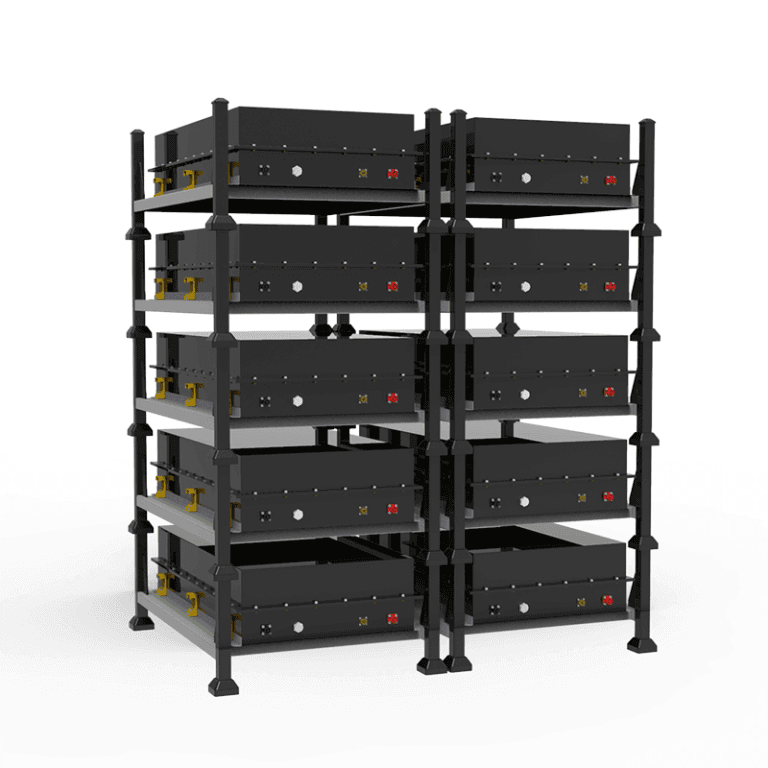
Lithium iron phosphate batteries (LiFePO4), also known as lithium iron phosphate batteries, are known for their excellent cycle life. Compared to other lithium-ion battery chemistries, this chemistry has higher stability, safety, and durability. LiFePO4 batteries inverter can provide AC power to household loads through an inverter.Lithium ion battery for inverter output DC power, while inverters output AC power.
To calculate the runtime of a 100Ah LiFePO4 battery, you need to consider a few factors. One key factor is the power consumption of the devices connected to the battery. The more power these devices require, the faster the battery will drain. For example, let's assume the total power consumption of the devices is 600W, and the voltage of the 100Ah LiFePO4 battery is 12V.
Battery runtime calculation
Battery output current = 600W / 12V = 50A
Battery runtime = 100Ah / 50A = 2 hours
Therefore, the battery runtime is 2 hours.
How Long Can a 2.5kWh PowerGo Balcony Battery System Last? Let's Calculate Its Runtime
According to the law of conservation of energy (E = P × t), let's calculate the actual runtime of this plug-and-play balcony battery system. PowerGo is specifically designed for European AC sockets and does not require connection to a micro-inverter. Its operating time depends entirely on the power consumption of your connected devices.
According to the law of conservation of energy (E = P × t), let's calculate the actual runtime of this plug-and-play balcony battery system. PowerGo is specifically designed for European AC sockets and does not require connection to a micro-inverter. Its operating time depends entirely on the power consumption of your connected devices.
Runtime at Different Output Power Levels
The fully charged 2.5kWh AC Coupled battery system offers multiple output modes:
800W maximum output power: provides approximately 3 hours of continuous operation
600W standard output power: provides approximately 4.2 hours of continuous operation
400W energy-saving output power: provides approximately 6.3 hours of continuous operation
Advantages of Plug-and-Play Design
Unlike traditional systems, PowerGo's total output power is not limited by micro-inverters. Its built-in intelligent management system directly outputs through AC sockets, and the battery's total output power automatically adjusts according to the needs of connected devices, ensuring optimal energy efficiency.
Practical Application Scenarios
High-power devices (800W): approximately 3 hours of runtime
Medium-sized appliances (600W): approximately 4 hours of runtime
Daily devices (400W): over 6 hours of usage time
Lighting and low-power devices (200W): up to 12 hours of power supply
These calculations demonstrate that the 2.5kWh PowerGo balcony battery system can provide reliable overnight power for your balcony solar system. Actual runtime may vary slightly depending on ambient temperature and specific usage conditions, but this plug-and-play solution ensures consistent and stable energy supply.
How to choose a Lithium ion battery for an inverter?
- Choosing a lithium battery with the same input voltage as the battery terminals of the inverter can ensure the compatibility of the battery with the inverter, avoiding the safety hazards caused by using incompatible batteries.
- Configuring the battery capacity according to the customer's backup power requirements can ensure that the battery can meet the customer's usage needs, avoiding the waste caused by insufficient or excessive battery capacity.For example, a customer chooses a 10 kW inverter with a battery voltage input of 48V and needs a 2-hour backup power supply.It is recommended that customers using 48V lithium batteries, the total energy required for 2 hours of backup power is 10 kW x 2 hours = 20 kW (20 kWh). It is recommended that customers recommend 5 48V 100Ah 1C discharge lithium batteries in parallel. The energy that a single battery can provide = battery discharge voltage x battery discharge current = 48V x 100A = 4800 watts, 4800W x 5 = 24000 watts = 24kWh. (It can be configured more appropriately to prevent the battery from being too low, which is beneficial for endurance.)
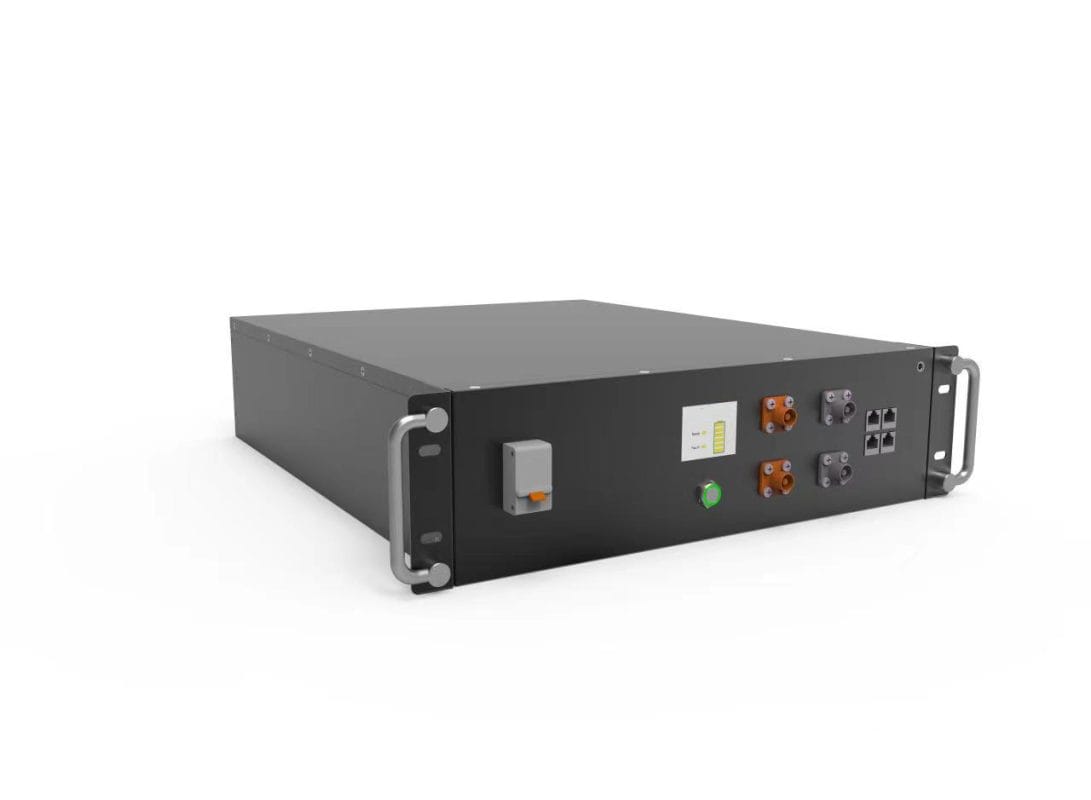
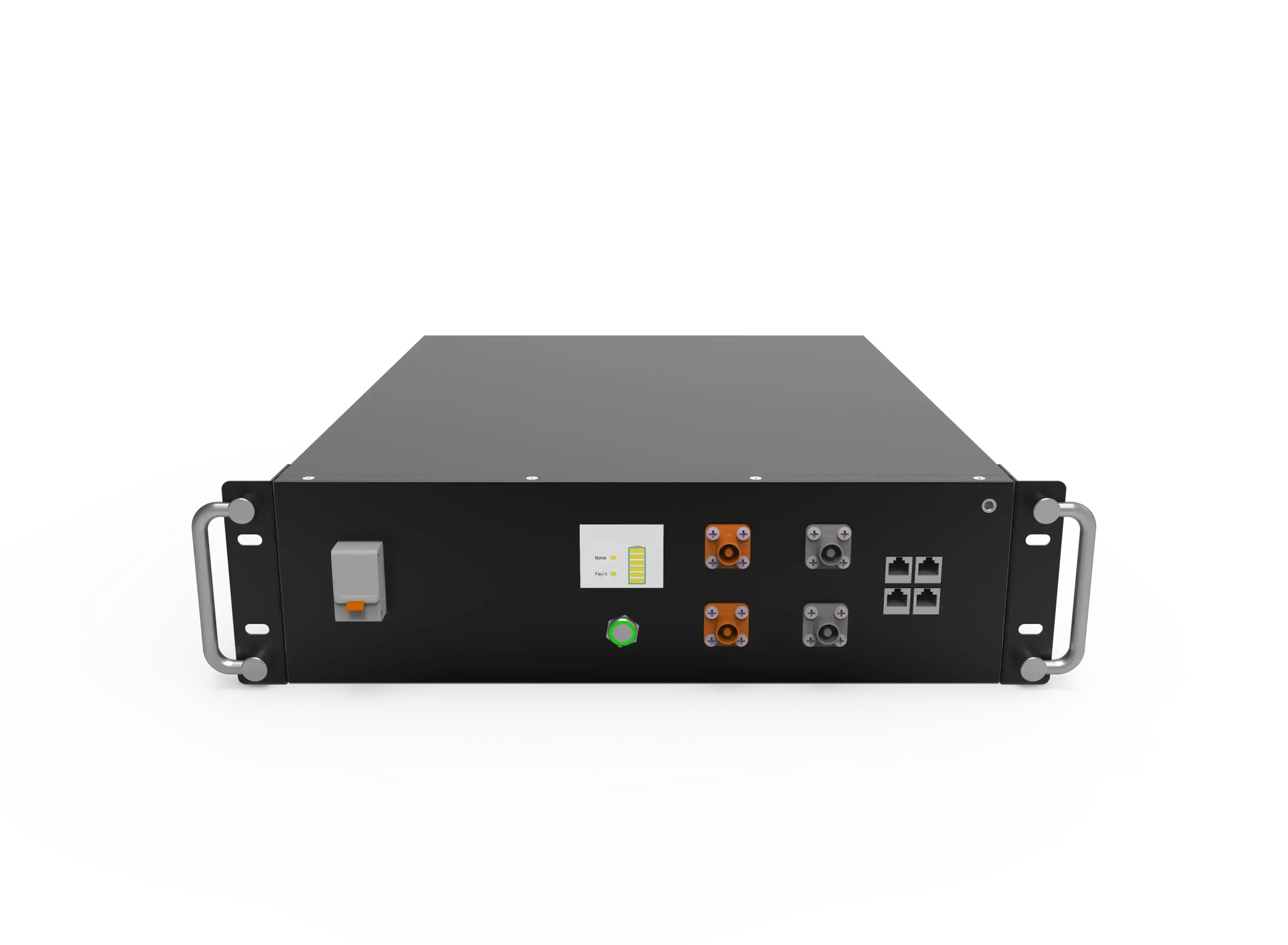
- Considering whether the maximum discharge power of the battery matches the power of the inverter can ensure that the inverter can work normally, avoiding thelithium ion battery for inverter overload caused by insufficient battery power.For example, a customer chooses a 10KW inverter and wants to configure a battery with a rated voltage of 51.2V 100AH 1C discharge.The rated voltage of 51.2V 100AH 1C discharge battery is 5120W, and the energy provided cannot make the inverter fully loaded (10KW inverter 10KW is called full load). The battery provides 5120W of power to the inverter, so the inverter cannot run at full load. It is recommended that customers configure at least 2 51.2V 100AH lithium batteries or more lithium batteries to meet the full load running requirements of the inverter.
How is the capacity of a 100 amp-hour AGM battery calculated?
AGM stands for absorbed glass mat. The electrolyte in this type of battery is absorbed into a special sponge made of glass fibers. This advanced technology makes AGM batteries leak-proof, completely sealed, and maintenance-free.
AGM batteries are some of the safest batteries you can find. They have a longer lifespan than standard wet batteries due to less degradation and corrosion inside the battery.
AGM batteries also hold a charge well, with a lower self-discharge rate.
Assuming a 12V 100Ah AGM battery, its capacity is 1200Wh, or 1.2kWh, according to the capacity calculation formula Wh = Ah x V.