

Smart Home Battery: Retrofit the Home Electricity System to Save More Bills
Considerations Before Home Electricity Retrofit As winter approaches and with the implementation of dynamic electricity pricing, how can we retrofit our home electricity system to save on electricity bills?
How to benefit from the 2025 dynamic electricity prices strategy
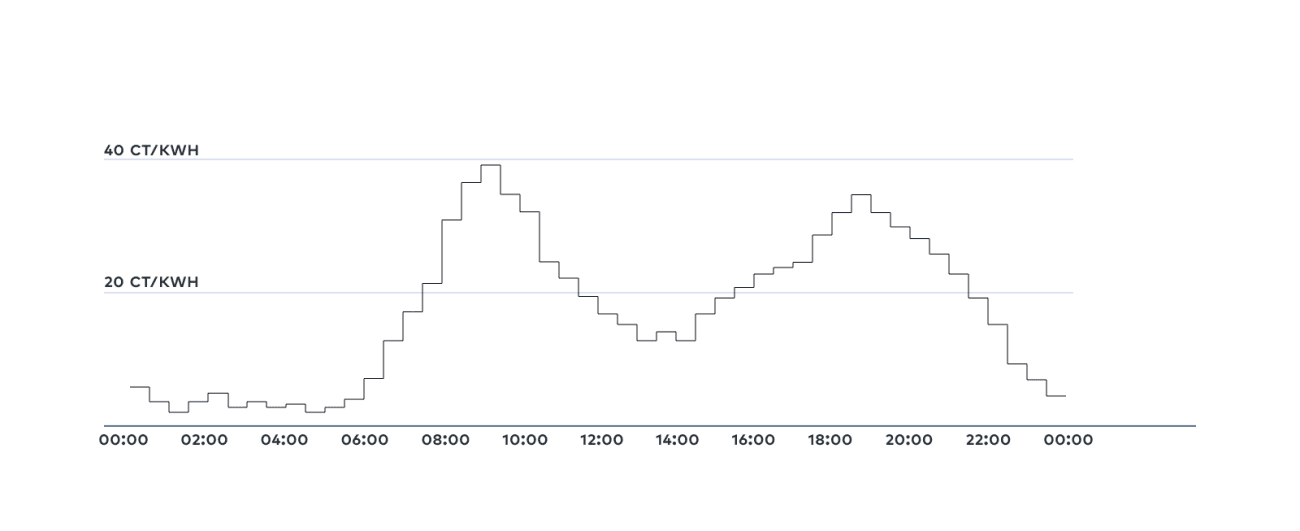
Germany plans to implement dynamic electricity pricing across Europe in 2025. Dynamic pricing, also known as flexible or variable pricing, is an innovative approach that adjusts electricity costs based on real-time supply and demand. This pricing model encourages consumers to modify their energy usage patterns according to price fluctuations, optimizing resource utilization and improving overall energy efficiency.
Dynamic pricing reflects current market conditions and is closely tied to real-time pricing. Electricity prices may fluctuate based on the time of day, overall network consumption, or weather conditions.
Prices typically rise during periods of high demand or low renewable energy production, such as in the evening when people return home, and solar power generation ceases. Conversely, prices tend to fall when renewable energy production is high and demand is low.
To benefit from dynamic pricing, users need to consume more electricity when prices are low and reduce usage during peak price periods. An effective upgrade involves installing an open bidirectional battery system, which allows energy storage during low-cost periods and discharges stored energy when prices peak, without affecting the operation of existing electrical equipment.
Power Retrofit for Homes with PV Systems — Battery Directly Connected to Household Outlets
Regardless the size of the installed PV capacity, it is highly recommended to retrofit your home electricity system by adding a Smart Home Battery, especially if your home lacks a storage system.
In Germany, balcony PV systems are popular, with more and more households in apartments or small terraces. Installing solar panels to reduce their household electricity load. Due to the high cost of traditional storage batteries and the complexity of installation, the significant investment often extends the payback period of the entire PV system.
Therefore, even though the utilization rate of solar power might not reach 100%, many households are not add batteries directly into their PV systems. Upgrading and adding traditional storage batteries later would require substantial installation and financial costs.
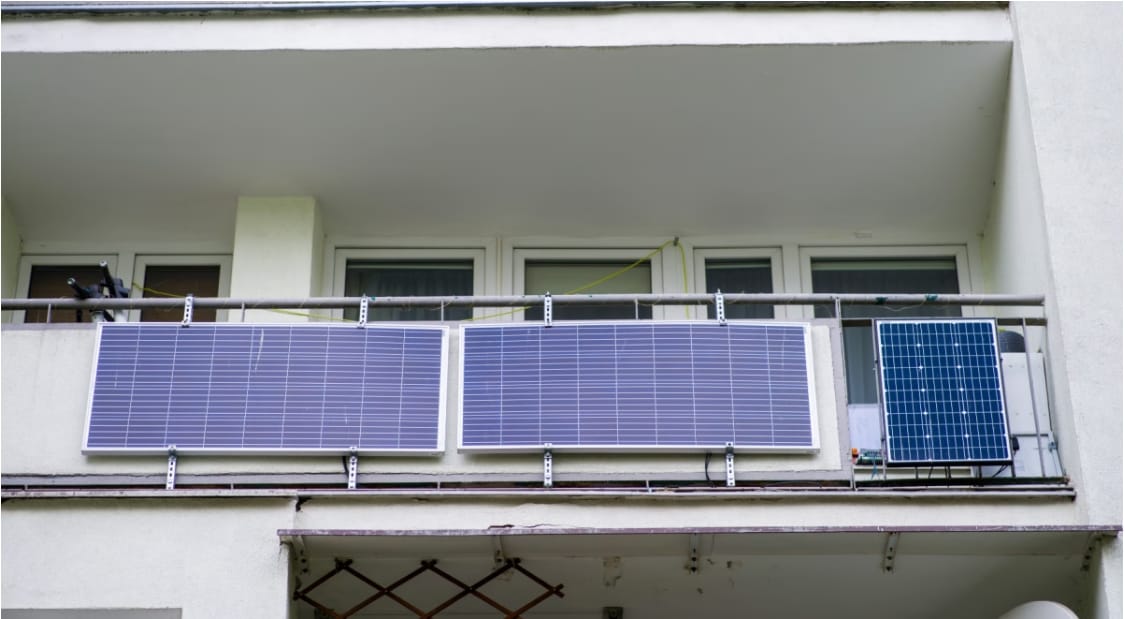
To more efficiently use solar-generated electricity and maximize the use of storage batteries to reduce electricity costs, you can retrofit your home electricity system using a Smart Home Battery. The Smart Home Battery offers high capacity and can plug into schuko directly, similar to a large portable power bank.
Electricity Retrofit for Homes Without PV Systems — Home Batteries Suited for Dynamic Pricing
Even for households without a PV system, adding a Smart Home Battery can help significantly reduce your electricity bills by taking advantage of dynamic pricing.
As winter approaches, electricity bills are expected to rise significantly with the season. The peak-tovalley price difference with dynamic pricing is substantial.
Without battery, you will have to follow the traditional electricity usage pattern, meaning you would be using the highest-priced electricity during the evenings when electricity demand is highest in winter. Without any modifications to your electricity system, this will always result in a substantial electricity bill.
Adding a storage battery allows for peak shaving and valley filling, enabling you to avoid using large amounts of electricity during peak price periods.Smart Home Battery offer a simple, quick plug-and-play setup, with remote control over charging and discharging functions. This allows you to effortlessly retrofit your home electricity system and significantly reduce your electricity costs.
Additionally, in special circumstances, it can serve as a large-capacity portable power source for outdoor environments.
Large-Capacity Batteries That Can Be Plugged Directly into Household Outlets:
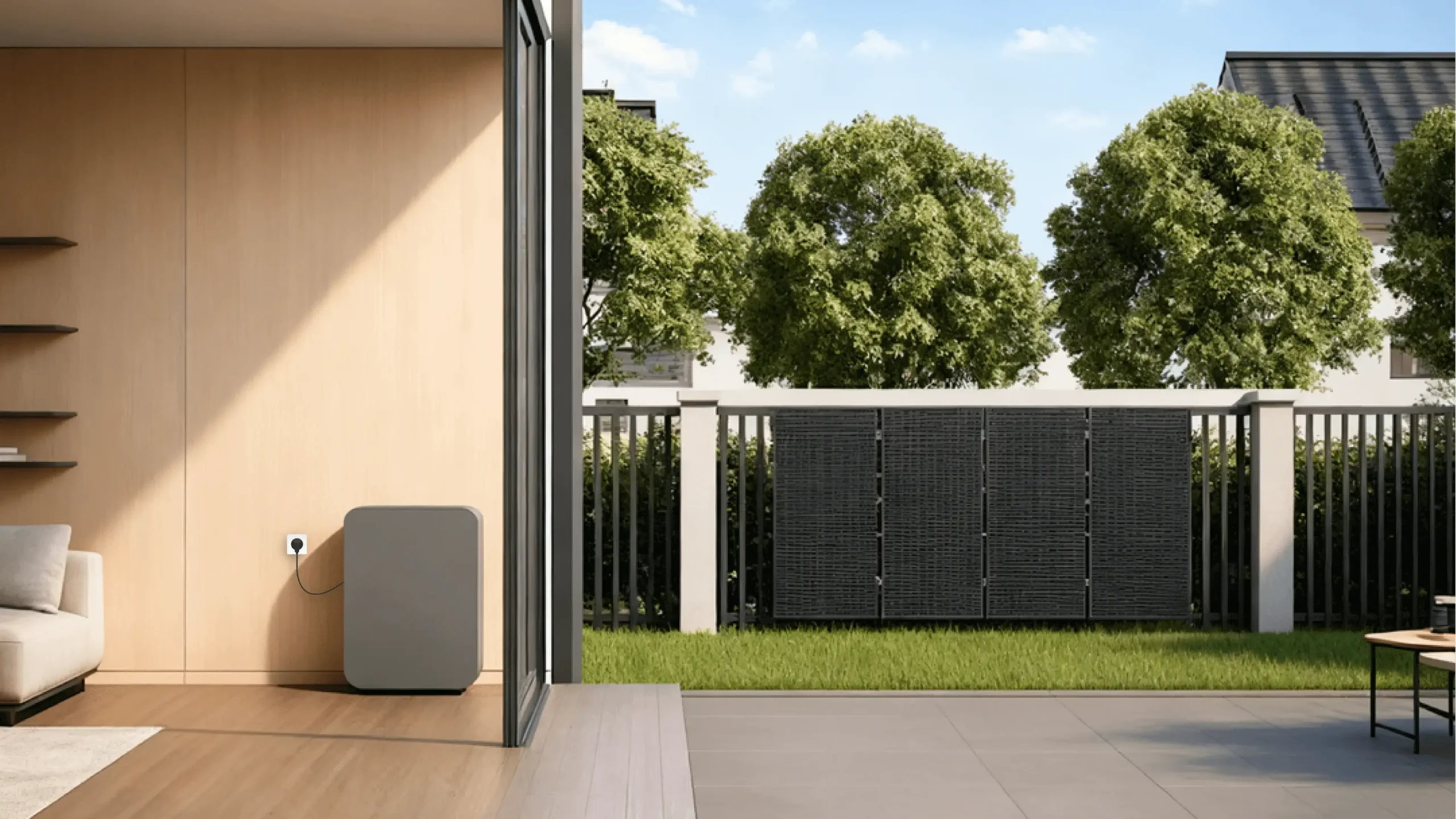
Plug-and-play: The 2.5 kWh battery can be easily integrated into the home energy system through a standard household outlet, without requiring additional labor or retrofit costs.
Advantage
Coordinated control of charging and discharging with the existing PV system, maximizing solar PV utilization.
A large-capacity home battery helps you easily manage high electricity costs during peak demand periods.
Small footprint with simple and quick wiring, enabling the easy addition of a storage battery.