

How Many Solar Panels Do You Need for Off-Grid Living?
Why Are Electricity Bills Getting More Expensive? Can Off-Grid Solar Really Solve the Problem?
Do you think about switching to solar power every time you receive your electricity bill? As energy prices continue to rise, more and more households are seriously considering off-grid solar power systems. But the most confusing question is: "How many solar panels does my home actually need to install?"
The answer varies from person to person, depending entirely on your household's energy usage patterns, local sunlight conditions, and system configuration. Don't worry—this article will guide you step-by-step on how to accurately calculate and find the most suitable off-grid system for your home.
What Key Equipment Is Needed for a Complete Off-Grid System Besides Solar Panels?
A reliable off-grid system is like a well-coordinated team, where every component is indispensable:
Solar panels are the core of the system's power generation. When choosing rigid solar panels for rooftop installation or a ground-mounted system, factors such as shading/obstruction and sunlight capture efficiency need to be considered. Generally, 400W photovoltaic panels yield higher energy yield than 100W photovoltaic panels, but the specific choice should be based on available space and power needs calculation.
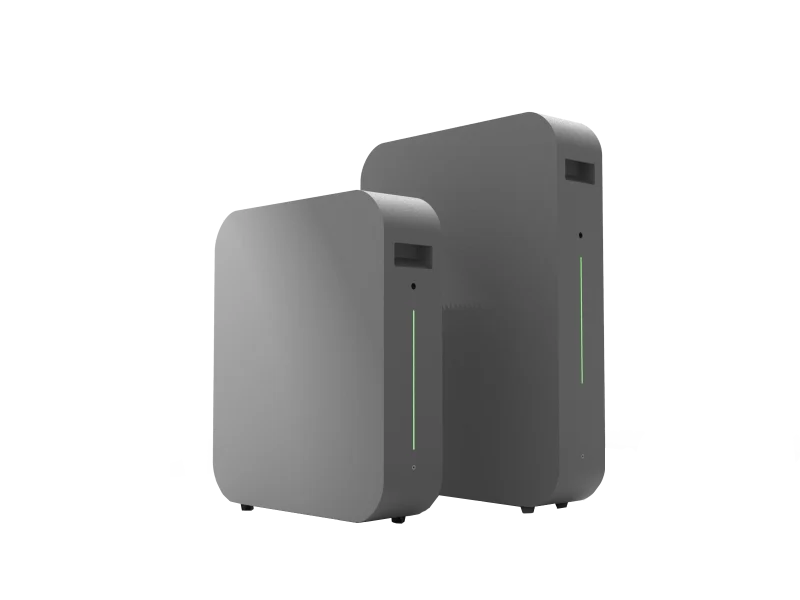
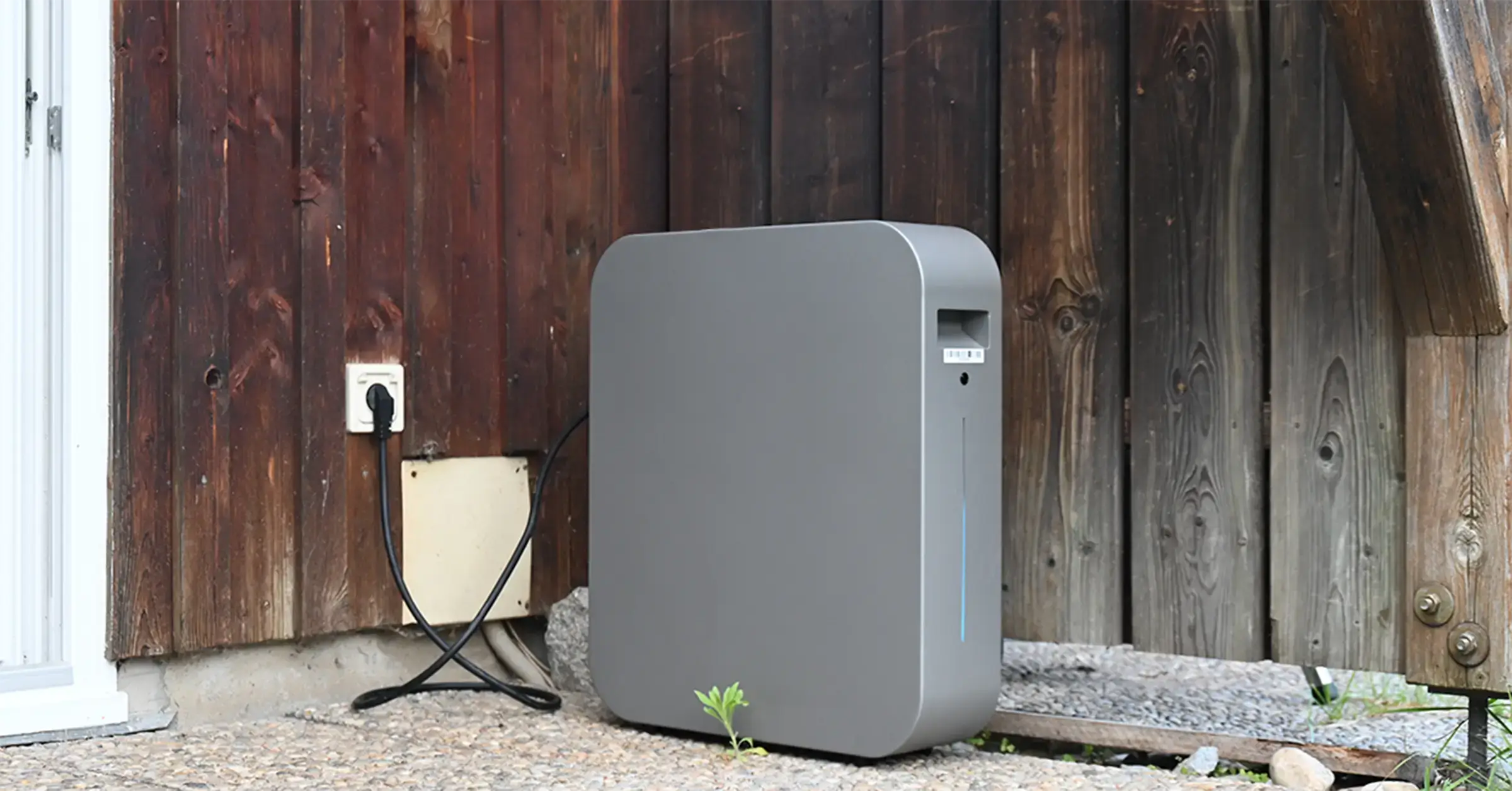
The battery storage system is key to ensuring power supply at night and on cloudy days. This is where the Batterlution PowerGo AC Coupled All-in-One Series stands out. Its revolutionary plug-and-play design sets it apart. If you already have an existing solar PV system, the PowerGo can be integrated seamlessly without any rewiring. Simply connect it to a standard AC power outlet via a Schuko plug, and it's ready to charge and discharge. This innovative approach makes adding storage astonishingly simple. The unit combines an AC coupled inverter + 48V/51.2V battery, offering multiple capacity options of 2.5kWh & 5kWh. Its 800W output capability can meet the basic electricity needs of most households, while the 1200W input ensures efficient charging.
Smart energy management is where the Batterlution PowerGo truly excels. With multiple connectivity options including Bluetooth, Wi-Fi, and Ethernet, it enables real-time energy monitoring and control right from your smartphone. When integrated with a Home Energy Management System (HEMS), it can automatically optimize your energy usage based on dynamic electricity pricing, charging during low-rate periods and discharging during peak hours to maximize your cost savings. This intelligent energy optimization helps you achieve significant energy conservation without compromising your lifestyle.
The charge controller manages the power flow, ensuring efficient charging and overcharging protection, which is crucial for extending battery life.
The backup generator serves as a final safeguard, providing power during prolonged periods of severe weather. You can choose a whole-home generator system powered by gasoline or propane.
How to Accurately Calculate the Number of Solar Panels Needed? Follow This Professional Four-Step Method
Step 1: Understand Your Household's Daily Electricity Consumption in Detail
To begin your energy independence journey, you first need to clearly understand your household's electricity usage. It is recommended to record the power and usage time of all commonly used appliances:
Example calculation for a typical household:
Refrigerator: 150W × 24 hours = 3600Wh
LED lights: 10W × 8 units × 5 hours = 400Wh
Television: 100W × 4 hours = 400Wh
Laptop: 60W × 6 hours = 360Wh
Other devices: ≈1000Wh
Total: ≈5760Wh (5.76kWh) per day
Professional advice: Check the "average daily electricity consumption" on your electricity bill or use energy monitoring devices to obtain more accurate data.
Step 2: Evaluate Sunlight Conditions in Your Location
Sunlight availability is crucial for system design. The peak sunlight hours vary significantly across different regions:
Sunny regions: 5–6 hours of effective sunlight per day
Moderate sunlight regions: 4–5 hours per day
Low sunlight regions: 3–4 hours per day
Step 3: Calculate the Actual Power Generation of a Single Solar Panel
Considering conversion efficiency, weather conditions, and dust effects, use this practical formula:
Daily power generation per panel = Panel wattage × Peak sunlight hours × 0.75 (system efficiency coefficient)
For example, a 400W panel under a daily average of 4 hours of sunlight:
400W × 4h × 0.75 = 1200Wh/day
Step 4: Determine the Final Number of Solar Panels Needed
Now, the calculation is straightforward:
Number of panels needed = Total daily electricity consumption ÷ Daily power generation per panel
5760Wh ÷ 1200Wh = 4.8 panels
This means you need at least 5 × 400W solar panels.
Important note: This calculation only meets daily electricity needs. To ensure system reliability, sufficient battery capacity must be configured, and a backup strategy for consecutive rainy days must be prepared.
How to Ensure Power Supply on Rainy Days and at Night? Key Solutions Here
Adequate battery reserve is the foundation for the reliable operation of an off-grid system. It is recommended to equip an energy storage system that can meet 2–3 days of electricity demand. The expandable capacity design of Batterlution PowerGo allows you to gradually expand as your needs grow. Its standout feature is the unparalleled simplicity of expansion. Just like the initial unit, adding more capacity can be as simple as plugging another PowerGo into a wall outlet.
Smart energy management plays a crucial role in optimizing your power usage during challenging weather conditions. The Batterlution PowerGo's advanced monitoring capabilities allow you to track your energy production and consumption in real-time, making informed decisions about your electricity usage during extended cloudy periods.
What Is the Cost of Installing an Off-Grid System? Is It Worth the Investment?
The total system cost of an off-grid solar system varies depending on the configuration:
Basic system: Meets daily electricity needs
Standard system: Includes whole-house backup power
Advanced system: Achieves complete energy autonomy
Although the initial investment is high, considering the system's long service life and ongoing savings on electricity bills, it is a valuable long-term investment. Choosing a plug-and-play solution like Batterlution PowerGo can also significantly reduce installation costs and labor costs by eliminating complex electrical work. Furthermore, its smart energy management capabilities help maximize your cost savings through optimized electricity usage patterns.
Frequently Asked Questions
Q: How many solar panels are needed for a 2000 sq ft house?
A: For a 2000 sq ft house with moderate energy consumption, under general sunlight conditions, 15–20 × 400W solar panels are typically required. However, the optimal solution should be based on a personalized electricity usage assessment.
Q: Can the system operate normally during consecutive rainy days?
A: With reasonable battery storage configuration and smart load management, the system can maintain normal operation under most severe weather conditions. The Batterlution PowerGo's intelligent features allow for optimal energy utilization during such challenging periods, automatically prioritizing essential loads and helping you manage your power consumption effectively.
Begin Your Energy Independence Journey
The first step toward achieving energy autonomy is simple: start by analyzing your electricity bill to understand your household's electricity usage patterns. Then, consult professionals to develop a personalized off-grid plan. The beauty of modern solutions like the Batterlution PowerGo is that you don't need to overhaul your entire existing setup; you can enhance it with minimal fuss while gaining sophisticated energy management capabilities.
Every household can find an energy solution that suits them. Through careful planning and selecting the right equipment, you will gradually move toward a clean, self-sufficient energy future. Start planning today, and you will be one step closer to your ideal off-grid life!