

How to Charge a 48V Lithium Battery
To understand how to charge a 48V lithium battery effectively, one must first recognize why this voltage has become the "Gold Standard" for modern energy storage. A 48V LiFePO4 battery configuration offers the perfect balance between safety and efficiency, reducing current flow to minimize heat and cable thickness compared to 12V or 24V systems. This makes the 48V lithium battery the cornerstone of reliable residential and commercial power modules.
Why 48V Lithium Batteries are Ideal for Solar Inverters
When learning how to charge 48V lithium battery systems, it is crucial to understand their synergy with inverters. Lithium chemistry provides a flat discharge curve and high peak current capability, allowing inverters to pull heavy loads without significant voltage drops. Integrating a 48V lithium battery for solar ensures that your inverter operates at peak efficiency, extending the overall lifespan of your backup power ecosystem.
Implementing the Correct Charging Method for a 48V System
Mastering the process of how to charge 48V lithium battery modules involves more than just plugging in a charger. Unlike lead-acid, charging a 48V LiFePO4 battery requires a specialized CC/CV (Constant Current/Constant Voltage) profile. Using a dedicated 48V lithium battery charger ensures that the Battery Management System (BMS) can accurately balance individual cells, preventing overcharge and ensuring your 5kWh battery storage remains healthy for over 5,000 cycles.
Critical Reference: How to Charge a 48V Lithium Battery Using Voltage Parameters
To master how to charge a 48V lithium battery safely, you must follow specific voltage thresholds. Unlike lead-acid batteries, a 48V LiFePO4 battery maintains a very flat discharge curve, making precise voltage monitoring essential for determining the State of Charge (SoC).
Below is the technical voltage chart for a standard 48V (16S) LiFePO4 battery system:
State of Charge (SoC) | Total Voltage (16S Pack) | Individual Cell Voltage | Technical Status |
|---|---|---|---|
100% | 58.4V | 3.65V | Bulk/Absorption Limit |
99% (Resting) | 54.4V - 55.2V | 3.40V - 3.45V | Fully Charged (Resting) |
90% | 53.6V | 3.35V | Optimal Working Range |
50% | 52.8V | 3.30V | Nominal Voltage |
20% | 51.2V | 3.20V | Low Battery Warning |
10% | 48.0V | 3.00V | Critical Low |
0% | 40.0V | 2.50V | BMS Cut-off (Discharge Limit) |
How the Inverter Automatic Transfer Switch Optimizes the 48V Lithium Battery Charging Process
The Critical Challenge: Managing Energy Gaps in 48V Battery Charging
The primary obstacle in maintaining a healthy 48V lithium battery is the inherent instability of renewable energy sources. Without a precise control mechanism, how do you prevent a 48V system from reaching a critical "dead" state during extended outages or low-light periods? The risk isn't just a power blackout; it’s the long-term chemical degradation caused by leaving a 5kWh battery storage unit depleted for too long.
The Automated Solution: Bridging Power Sources via the Automatic Transfer Switch
The Automatic Transfer Switch functions as the intelligent "logic center" of your inverter, specifically designed to automate the charging and supply cycles.
Optimized Solar Mode: During peak sunlight, the switch prioritizes your 48V lithium battery charging, converting DC to AC while ensuring excess energy is stored for later use.
Seamless Grid Recovery: The moment the battery voltage hits a safe threshold, the Automatic Transfer Switch transitions to grid power. This ensures the home stays powered without interruption while simultaneously allowing the inverter to initiate a "recovery charge" to keep the lithium cells balanced.
The Scientific Rationale: Integrating Storage Efficiency and Power Continuity
Why is this connection essential? The working principle of an inverter Automatic Transfer Switch is rooted in maximizing power supply reliability. By treating the 48V lithium battery as a dynamic reservoir rather than a static backup, the system ensures that charging and discharging are always perfectly synchronized with real-time energy availability. This synergy is the only way to guarantee a continuous power supply while extending the operational lifespan of your energy storage module.
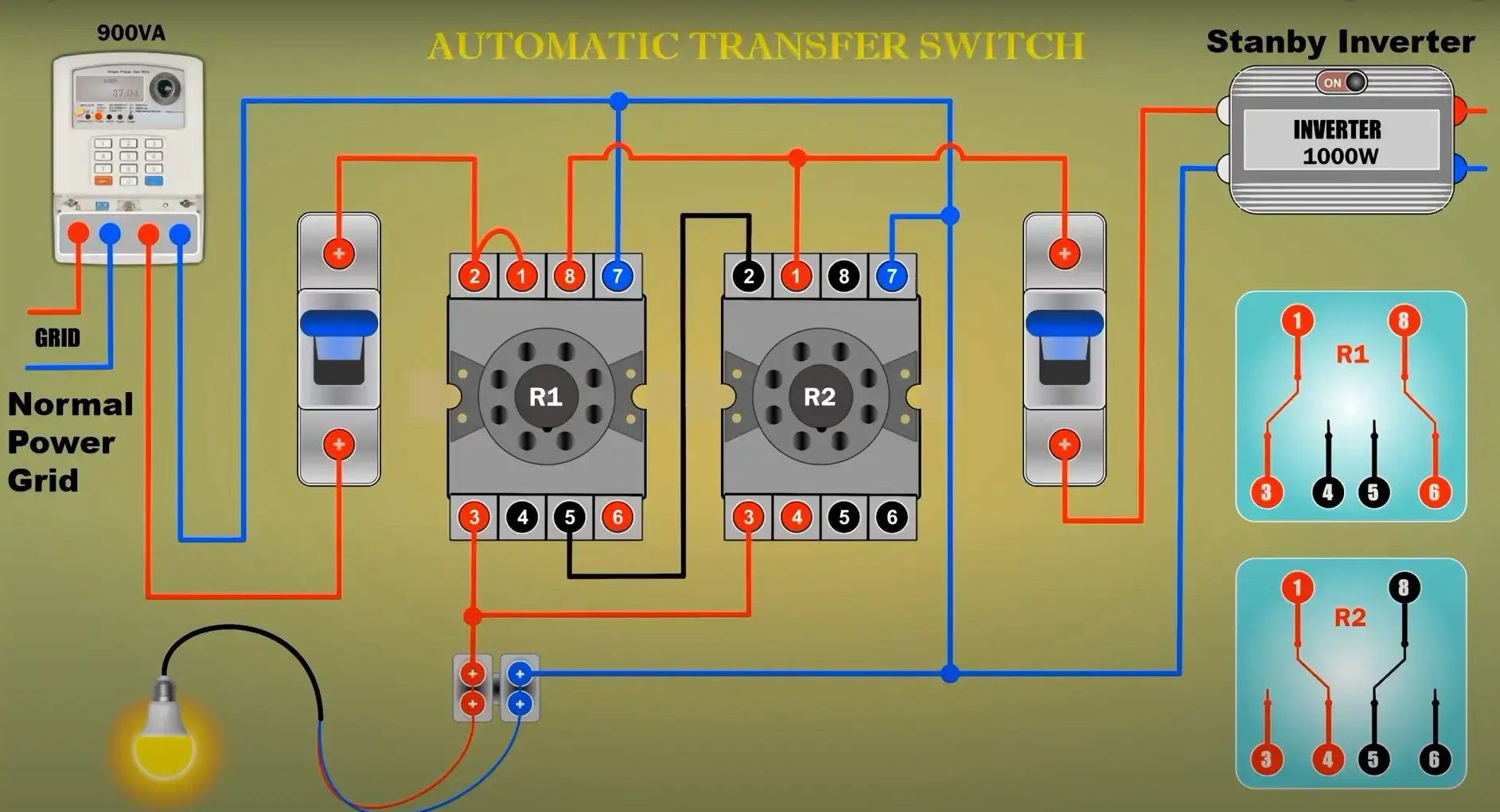
The best way to charge is with an all-in-one approach
Market research shows that lithium batteries are increasingly favored by inverter systems due to their excellent energy density, long cycle life, and low maintenance requirements.
Below are some commonly used inverter lithium batteries:
48V/51.2V lithium battery: 48V/51.2V lithium batteries are very common in the inverter market because they provide stable and reliable power output. The key to this kind of battery is to choose a reliable brand, because the difference in quality may directly affect the performance and life of the battery.
Solar lithium battery: For devices that need to store a large amount of energy (such as inverters), solar lithium batteries are the ideal choice. This is mainly due to the high energy density and long life properties of lithium batteries.
Dedicated inverter lithium battery: Some lithium batteries may need specific inverters to be compatible, this is because the inverter needs a function that can communicate with the battery.
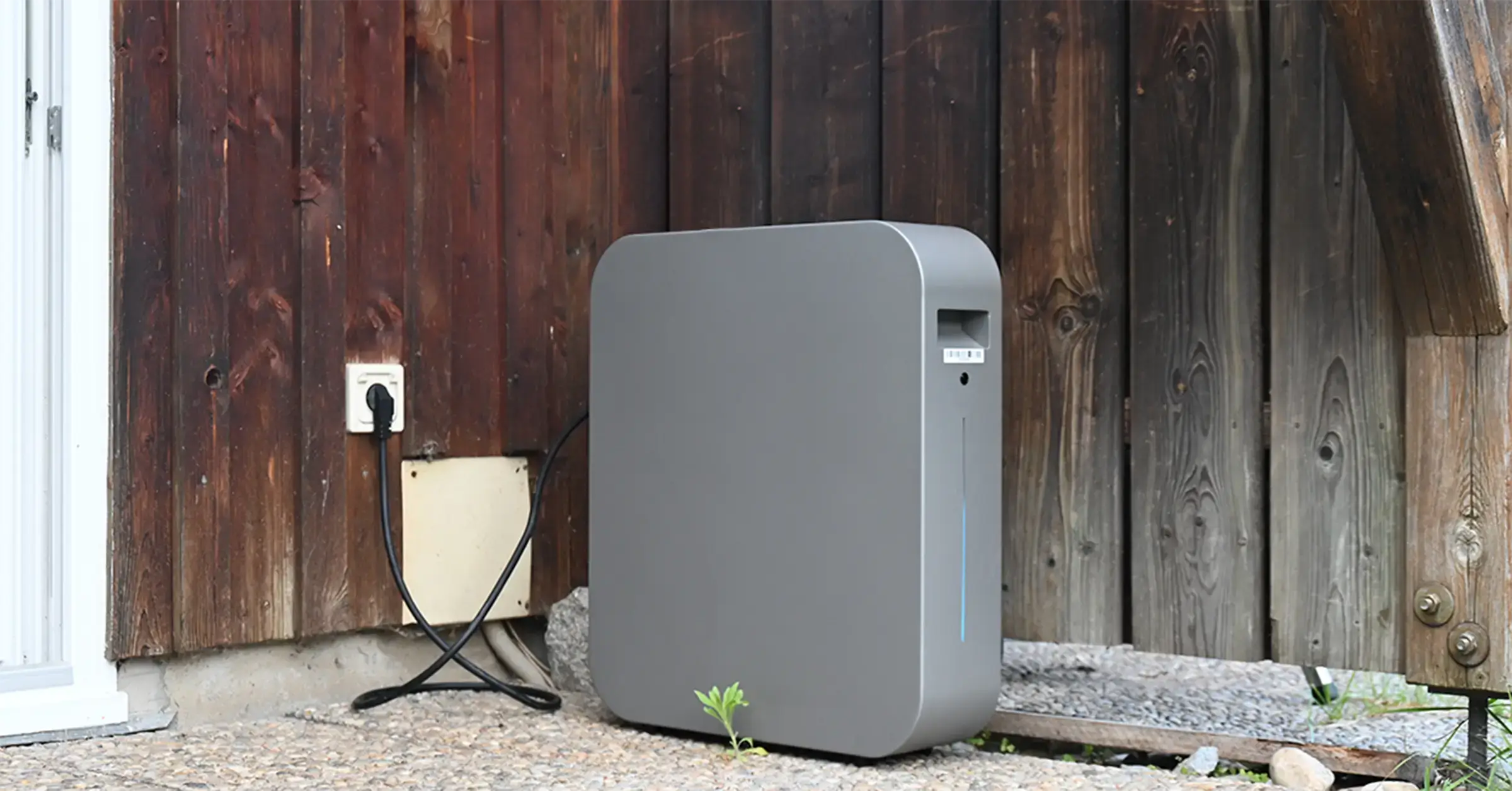
Batterlution Introduces PowerGo 51.2V 2.5kWh & 5kWh Plug-and-Play AC-Coupled Batteries
Therefore, when choosing batteries and inverters, it is necessary to check whether they are compatible.
Since most residential PV systems are currently fixed and the relocation requirements for batteries are not very high, and in order to match various brands and models of inverters on the market, the most commonly used at present is still the 48V/51.2V lithium battery.
Lithium batteries are widely used in inverters for the following main reasons:
Great energy density: The energy density of lithium batteries is much higher than that of lead-acid batteries, which means they can store more energy in a smaller volume. This is very attractive for inverter systems that need a large amount of energy.

Long life: Lithium batteries have an ultra-long lifespan, making them an ideal choice for power systems, especially in inverter systems that need to rely on long-term battery storage.
High voltage output: Lithium batteries have a higher voltage output, enabling them to drive a variety of types of electronic devices, including inverters. In this way, users can use a variety of electrical appliances without having to worry about insufficient power.
Small size and high energy: As lithium is a highly active element, lithium battery inverters can store a large amount of energy in a small space. This makes the design more compact, easy to carry and install.
Low self-discharge rate: Compared to other types of batteries, lithium batteries have low self-discharge rates, meaning that when the battery is not being used, it consumes less power. This is very useful for devices that need to store and use energy for a long time, such as inverters.
Deep Dive into 48V Lithium Batteries: composition of the Module battery for 48V li-ion battery
In examining lithium-ion or lithium iron phosphate batteries, the voltage is usually 51.2V.
This is because the single battery voltage for lithium batteries is usually 3.2V, and to achieve a system voltage of 48V, 16 single batteries need to be connected in series, thereby obtaining 16 x 3.2V = 51.2V.
The so-called "48V" is actually the normal operating voltage of lithium-ion battery group, hence often referred to as the "48V system". In practice, however, the actual voltage is 51.2V.
Why 48V LiFePO4 Systems are the Superior Standard for Energy Storage
1. The Challenge: Balancing Capacity, Lifecycle, and System Safety
When selecting a energy storage solution, users often struggle to balance high capacity (Ah) with long-term reliability. Many high-voltage or low-voltage (12V) systems force a compromise: either you deal with high energy losses or extreme safety risks. Furthermore, understanding how to charge a 48V battery while maintaining a high cycle life (over 2,000–5,000 cycles) can be technically overwhelming without the right system architecture.
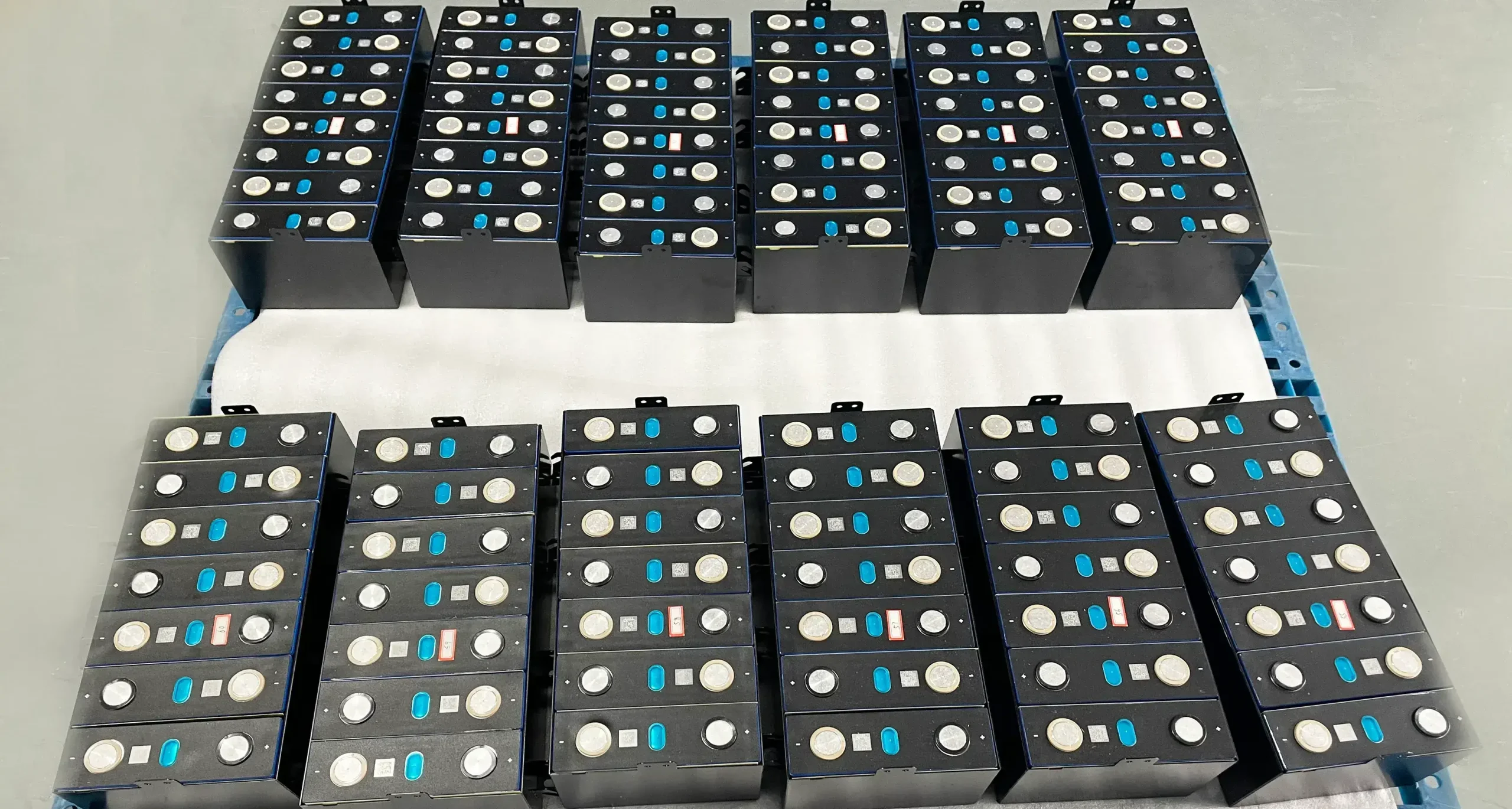
2. The Solution: The 48V Framework as a High-Performance Buffer
A 48V lithium battery system provides the ideal technical framework to address these selection factors (Capacity, Discharge Rate, and BMS integration) in one cohesive unit.
Seamless Compatibility: Unlike high-voltage packs, 48V systems offer direct compatibility with existing lead-acid infrastructures. This means you can master how to charge a 48V battery using your current chargers and inverters, saving significant upgrade costs.
Integrated Safety and Efficiency: The 48V architecture is inherently safer than high-voltage alternatives. It allows for a built-in Battery Management System (BMS) to operate with higher precision at lower costs, protecting against over-discharge and thermal extremes—factors that are critical when determining the best lithium battery pack for your needs.
3. The Rationale: Optimizing Energy Density and Cost-Effectiveness
Why does 48V remain the benchmark for home solar and electric vehicles? It comes down to the balance of Discharge Rate (C-rate) and manufacturing logic. In 48V systems, the design of protective circuits is more cost-effective while maintaining lower energy losses compared to 12V or 24V setups. This efficiency ensures that every cycle contributes to a longer cycle life, providing a better return on investment (ROI). By choosing a 48V LiFePO4 battery, you gain sufficient energy storage without the dangerous complexity of high-voltage designs.
Step-by-Step Guide on Charging 48V/51.2V Lithium Batteries
- Safety Check: Ensure that the battery, Battery Management System (BMS) and the charger show no signs of physical damage. The workspace should be dry, clean and well ventilated.
- Connect the Battery: First, turn off the battery switch if there is one, then connect the charger's power cord with the battery's charging line, ensuring a safe and secure connection.
- Connect the Charger: Plug the charger into an appropriate power socket, based on the setting, initiate the charging process. Most chargers have indicator lights displaying the charging status via colours or blinking states.
- Keep An Eye On The Charging Process: During charging,regularly check the battery's condition, observing any overheating, smoke or other anomalies.
- Confirm Fully Charged: When the charger's indicator light shows that the battery is fully charged, or for batteries with a BMS, when the BMS indicates that the battery is full, you can cease charging.
- Disconnect Charger: Firstly, disconnect the charger from the power socket, then disengage the connection between the battery and charger.
- Store Battery: If the battery isn't immediately required, store it in a dry, cool place.
The Key Role of Proper Charging in Maintaining and Optimising Lithium Batteries in Inverters
Lithium batteries, an important part of any power backup system, work by storing energy and releasing it when necessary. One key point to remember is that the way lithium batteries get charged greatly affects their lifespan.
Importance of Proper Charging
To maintain the functioning and prolong the lifespan of lithium batteries, it's essential to charge them properly. This entails using the correct charger, setting up the right charging parameters (which depend on the specific battery model), and monitoring the charging process to avoid overcharging.
Charging Parameters
The charging of lithium batteries typically involves two stages: the constant current mode and the constant voltage mode. In the constant current mode, the charger supplies the battery with a constant current. Once the battery voltage hits a specific threshold value, the charger switches to the constant voltage mode, decreasing the charging current while keeping the voltage constant until the battery is fully charged.
Effects of Overcharging and Undercharging
Overcharging can cause lithium batteries to degrade faster, reducing their overall lifespan. On the other hand, undercharging batteries leads to insufficient stored energy, and thus, inconsistent power supply. Therefore, a balance must be found to ensure correct charging.
By following these principles, you can make sure your lithium battery storage system delivers the best performance and gets the maximum lifespan.
Operational Regulations for Inverters and Battery Systems
Safe Operation
The safe operation of rechargeable inverters and battery systems is crucial in any setting. Always follow these guidelines:
• Avoid operating in high temperature, high moisture, or dusty environments.
• Do not cover the ventilation holes on the devices.
• Disconnect the charger from power sources when not in use.
• Avoid touching the battery connections and inverter terminals with bare hands to prevent electric shock.
In case the battery leaks and the liquid gets into the eye, do not rub one's eyes and rinse them with clean water, and go to see a doctor in serious situation.
Maintenance and Inspection
• Regularly clean the devices, making sure they are dust-free.
• Inspect the devices for any sign of physical damage. If damage is found, they should be repaired or replaced immediately.
• Check if the charging cables and connections are well secured and insulated.
• Rules for Handling Battery.
• Misoperation can cause battery leaks, hit, shock, or even explode, so we must follow the rules strictly.
• Do not disassemble or reconstruct the battery.
• Do not put the battery in microwave ovens, high-pressure containers, or on induction cookware.
Conclusion
In previous information, we discussed why lithium batteries are widely used in inverters. The long lifespan, high energy density, high voltage output, small size, and low self-discharge rate of lithium batteries make them an ideal choice for inverters.