
Explore the differences between energy storage inverter and photovoltaic inverters
What is the fundamental difference between energy storage and PV inverters?
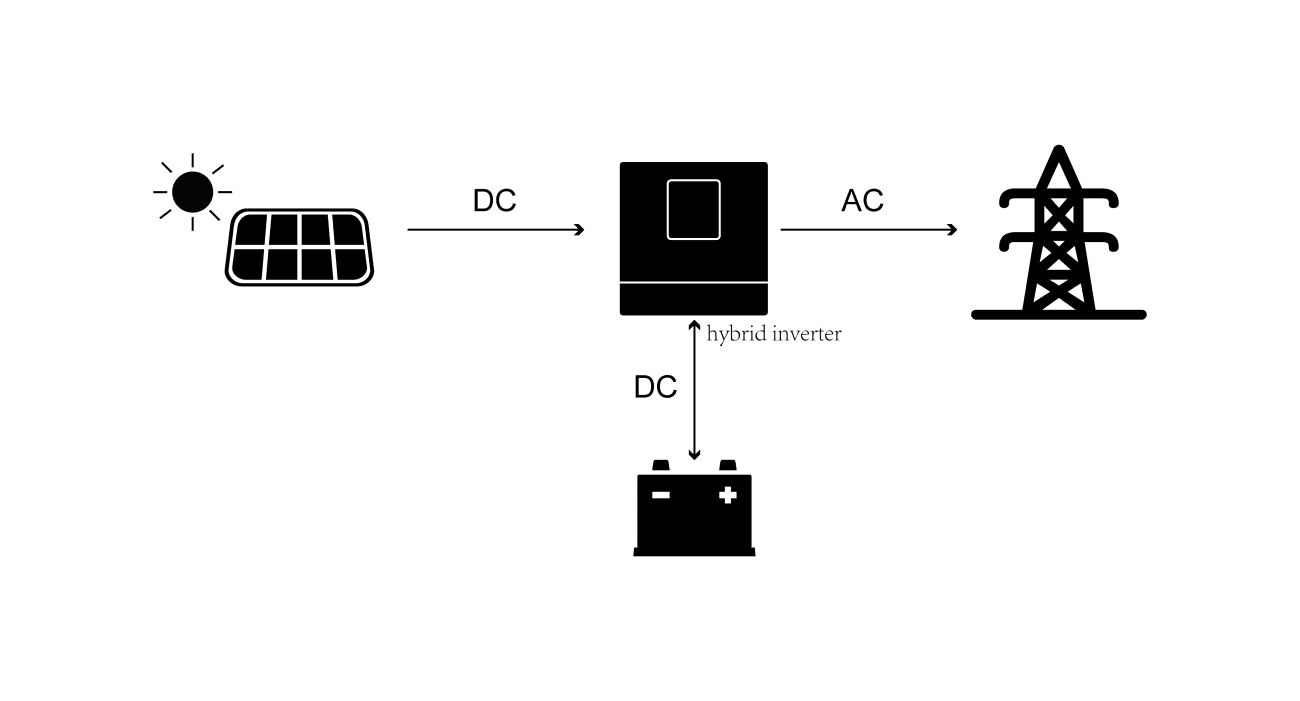
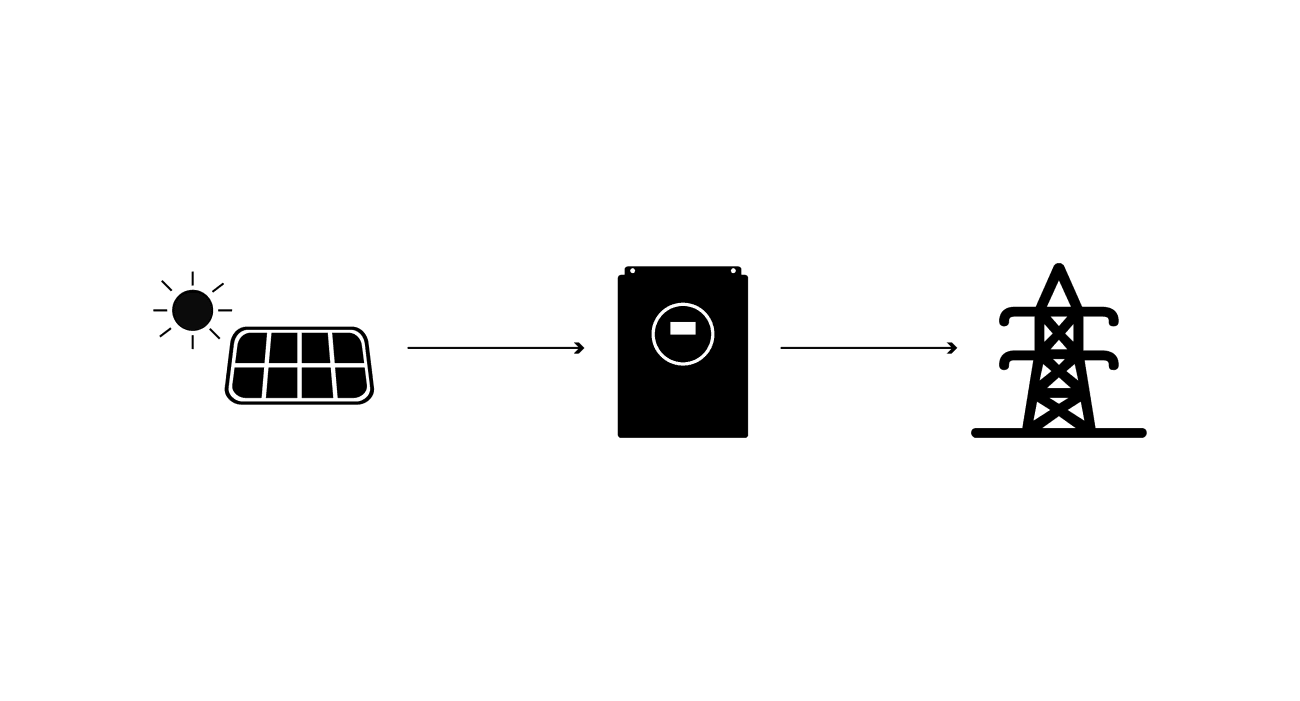
Both devices handle DC to AC conversion, but their architectures serve distinct purposes. PV inverters are designed as one-way power converters, channeling solar energy directly to your home or the grid. Energy storage inverters operate as intelligent energy managers, featuring bidirectional power flow capabilities that coordinate with battery systems. This allows them to store excess solar energy during the day and release it when needed.
Why can't a standard PV inverter provide backup power during outages?
Traditional PV inverters lack three critical capabilities found in storage inverters: battery communication protocols, black start functionality (ability to restart without grid power), and advanced energy management algorithms. This is why adding battery backup to an existing solar system requires either retrofitting with a storage inverter or upgrading to a hybrid solution.
How much more efficient are systems with storage inverters?
Industry data reveals significant efficiency improvements when comparing systems with and without energy storage. Traditional PV-only setups typically utilize just 30-50% of generated solar power directly, with the remainder being exported to the grid. In contrast, systems equipped with storage inverters achieve 70-90% self-consumption rates by implementing three key strategies. First, they capture daytime surplus energy that would otherwise be wasted, storing it for nighttime use when solar production ceases. Second, they provide instantaneous backup power during grid outages, with seamless transition times under 20 milliseconds. Third, they automatically optimize energy usage during peak rate periods when utility charges are highest, delivering substantial cost savings.
What Financial Benefits Do Energy Storage Inverters Provide Globally?
Energy storage inverters deliver measurable economic advantages across international markets. In Germany and Australia, they typically reduce grid electricity purchases by 60-90%, compared to 30-50% for PV-only systems. The ROI is particularly strong in high-tariff regions like California and Italy, where payback periods shorten by 3-5 years. Multiple studies (including 2024 reports from Wood Mackenzie and BloombergNEF) confirm storage-equipped homes command 3-5% higher resale values. Crucially, storage inverters future-proof investments against net metering policy changes occurring in the UK, Netherlands, and parts of the US. Many jurisdictions offer additional incentives - the US ITC (30% tax credit), Germany's KfW loans, and Australia's battery rebates specifically apply to storage installations.
International Standards for Energy Storage Inverter Integration
Modern storage inverters support three globally recognized integration methods:
• AC-coupled retrofits: The simplest solution compliant with IEC 62109 safety standards, widely used in Europe and North America
• DC-coupled systems: Preferred in commercial installations (VDE-AR-E 2510-2 compliant) for 15% higher efficiency
• Hybrid inverters: All-in-one solutions meeting CE/IEC 62477 standards, gaining popularity in Japan and Southeast Asia
Leading manufacturers like Huawei, SolarEdge, and SMA now offer modular designs allowing capacity expansion per IEC 62933 standards.
Which Global User Groups Benefit Most from Energy Storage Inverters?
Energy storage inverters have become indispensable solutions for diverse user profiles worldwide. In developing economies like South Africa and the Philippines, energy storage inverters provide vital backup during daily grid failures, with some areas experiencing 200+ outage hours annually. Advanced markets utilizing dynamic pricing - including the UK's Octopus Agile and California's PG&E plans - leverage energy storage inverters' smart scheduling to achieve 40-60% additional savings compared to basic PV systems. European homeowners subject to EU electrification mandates benefit from how modern energy storage inverters seamlessly integrate with heat pumps and EV chargers, automatically optimizing when these high-load devices operate. In Australia and Germany, where feed-in tariffs have decreased by 50-70% since 2020, energy storage inverters maintain profitability by boosting self-consumption to 80-90%. For off-grid applications from Canadian remote cabins to African village microgrids, energy storage inverters form the technological backbone, enabling 24/7 power availability without grid infrastructure.
What Key Specifications Define Quality Energy Storage Inverters in Global Markets?
When evaluating energy storage inverters for international deployment, seven critical specifications demand attention. The battery interface tops the list - premium energy storage inverters support both LiFePO4 (preferred in Europe for its 10,000+ cycle life) and NMC (favored in Asia for compactness). Certification requirements vary dramatically: energy storage inverters destined for North America require UL 1741 SB certification, while the German market mandates VDE-AR-N 4105 compliance, and Australian installations need AS/NZS 4777.2:2020 approval. For grid interaction, top-tier energy storage inverters exceed IEEE 1547-2018 standards, offering advanced functions like volt-watt control and frequency-watt response. The most sophisticated energy storage inverters now incorporate machine learning (like SolarEdge's Energy Hub) that improves prediction accuracy by 30% compared to conventional algorithms. Scalability separates professional-grade energy storage inverters from basic models - systems like Tesla's Powerwall 3 allow 10-unit cascading for 135kWh total capacity, while competitors like Huawei offer 20-unit stacking. These technical differentiators determine whether an energy storage inverter can meet specific regional grid codes, climate conditions, and long-term performance expectations.
Global Value Proposition
While PV inverters remain essential per IEC 62109 standards, storage inverters (governed by IEC 62840) transform systems into resilient energy assets. In sun-rich markets like Spain and Chile, they enable 90%+ self-consumption. For storm-prone areas (Florida, Philippines), they provide critical backup per IEC 63056 standards. The combination delivers superior ROI whether under California's NEM 3.0, Germany's EEG, or Australia's Renewable Energy Target schemes.