

The popularity of diy photovoltaic (PV) systems is rising. Many households and businesses want to expand their setups. However, adding solar panels improperly can decrease efficiency. This article explains how to maintain or improve system performance during expansion.
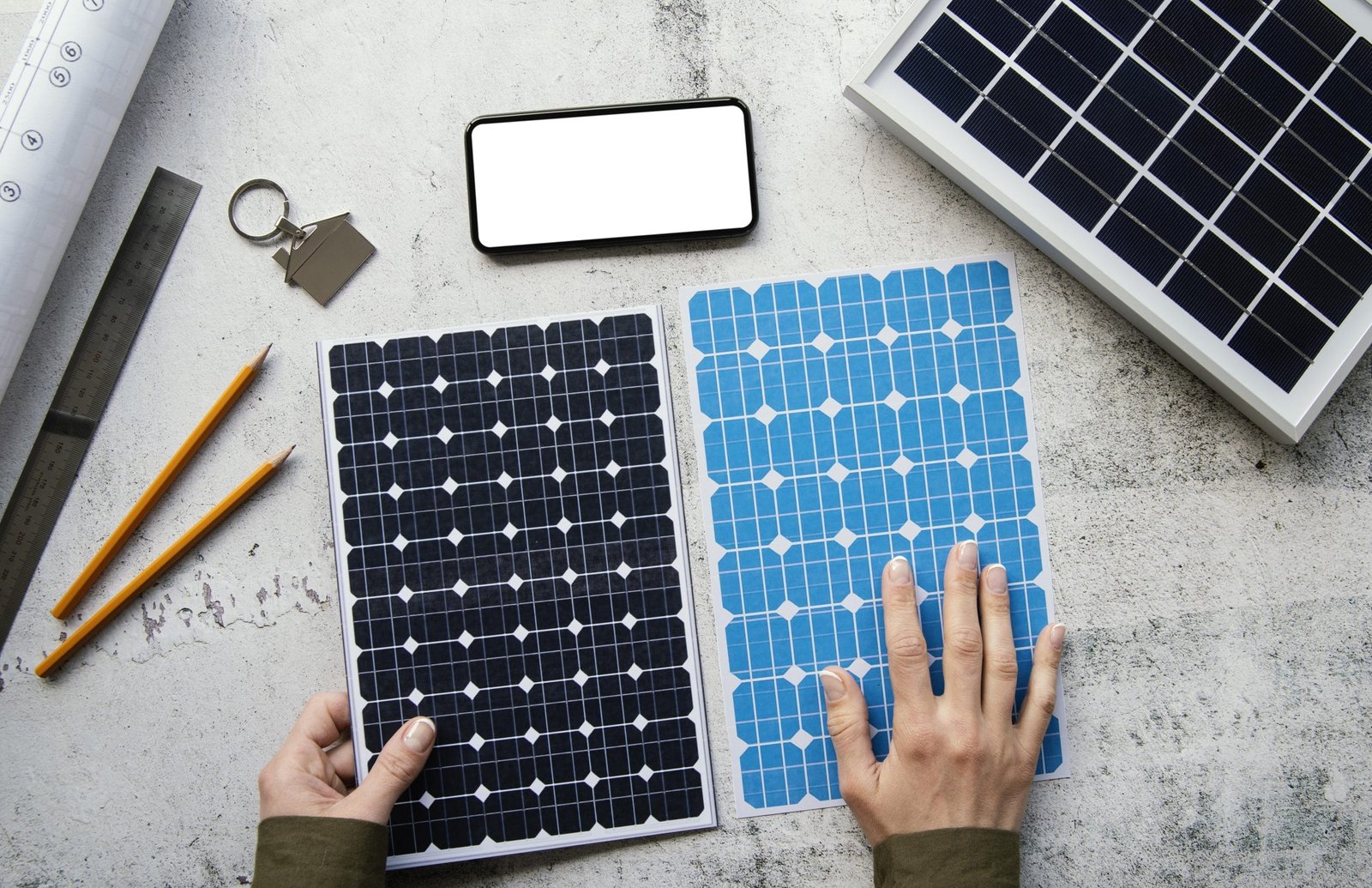
How to Add DIY Solar Panels to an Existing System?
By 2024, many homes will have mini photovoltaic systems. As households add appliances, energy loads increase. You may have heard that expanding solar panels is challenging. However, it is possible if you consider a few key points:
a. Calculate or plan the additional diy solar panel capacity
b. Confirm the installation location for the panels
c. Choose diy pv panels that match the existing ones
d. Understand the specifications of your current inverter
e. Ensure that solar panels with the same orientation connect to the same inverter's MPPT (Maximum Power Point Tracking)
f. For mini PV systems, the total capacity must not exceed the allowable input capacity of the micro-inverter
If possible, consult the manufacturer of your existing panels and inverters for a professional design plan. You can also seek professional installation services.
Calculate or Plan the Additional Solar Panel Capacity and Location
Evaluate your current PV system to determine the expected additional capacity. The installation capacity is usually related to household loads. An ideal DIY PV system should produce enough energy during the day to meet consumption and charge batteries for evening use.
Estimate the new photovoltaic capacity:
When a photovoltaic system is in place, if daytime grid electricity is still needed,
the additional capacity of the solar panels = the daytime grid consumption divided by 6 hours.
Assess whether the existing inverter can handle extra power input.
If the inverter’s capacity is insufficient, you may need to replace or add an inverter.
Ensure the total capacity of the solar panels does not exceed the inverter's rated power. Generally, the ratio of solar panel capacity to inverter rated power should not exceed 1.3:1. Exceeding this ratio can prevent effective power conversion and may cause the inverter to stop functioning.
If the total capacity exceeds the inverter's rated power, consider adding a completely independent PV system.
Confirm the Installation Location of the DIY Solar Panels
- New diy pv panels should ideally match the installation position and angle of the existing ones.
- If orientations differ, distribute the new diy photovoltaic systems evenly based on actual installation conditions.
Choose DIY PV Panels with Specifications that Match the Existing Ones
- New diy pv panels should be consistent with the existing modules to ensure proper voltage and current at the inverter.
- Match the characteristics of the new and old panels, including voltage, current, and power. It is best to select identical or similar diy pv panels to avoid power loss.
- For a new PV system, keep the panel specifications consistent.
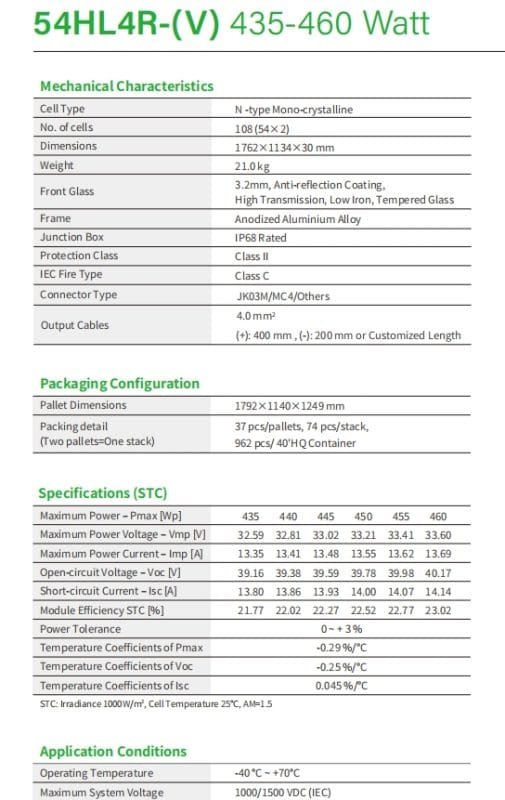
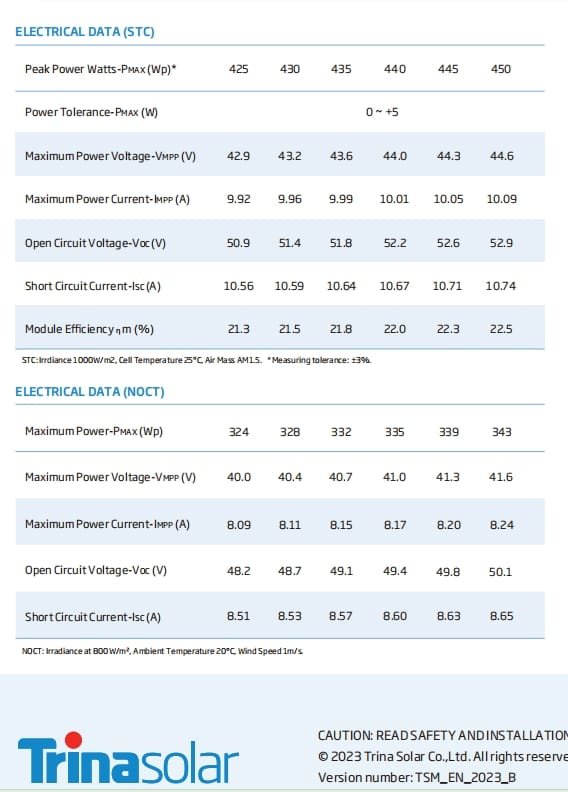
Master the Parameters of the Existing Inverter
- For mixed inverter systems, know the number of MPPT channels and how many panels can connect in series on each channel.
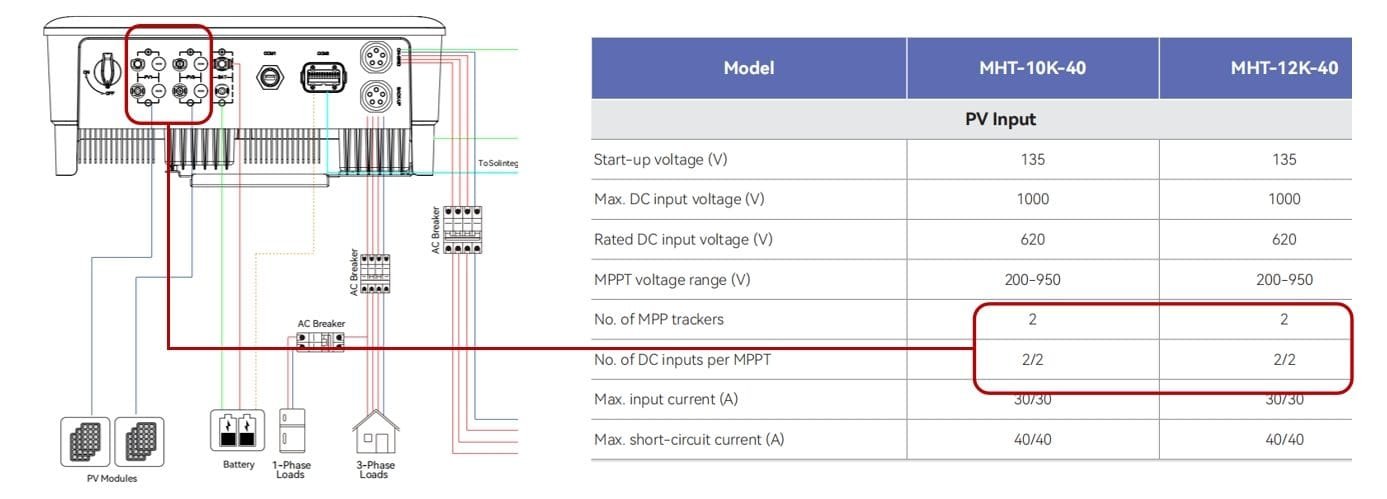
- Be aware of the allowed input voltage and maximum current for the inverter.
- Check the PV panel data sheet to find the open-circuit voltage parameters of the PV panel
MAX DC input voltage (V)

N:The number of solar panels in series
Voc : PV panel Open-circui voltage
Max DC input voltage: the maximum allowed input voltage of the inverter
MAX DC input current (A)

Isc : PV panel short-circuit current
N:The number of solar panels in series
Max DC input voltage: the maximum allowed input voltage of the inverter
From the provided photovoltaic panel and inverter data sheets, the following can be deduced:
- The maximum open-circuit voltage (Voc) of the Jinko 440W solar panel is 39.38V, and the maximum short-circuit current (Isc) is 13.86A.
- The inverter allows a maximum voltage of 950V and a maximum input current of 30A.
- There are 2 MPPT channels, and each MPPT channel can connect to 2 strings of solar panel arrays.
The estimated number of solar panels: 10kW / 440W ≈ 23 panels.
Maximum access voltage calculation: N * Voc = 23 * 39.38V = 905.74V < 950V (within limits)
Maximum access current calculation: 2 * 13.86A = 27.72A < 30A (within limits)
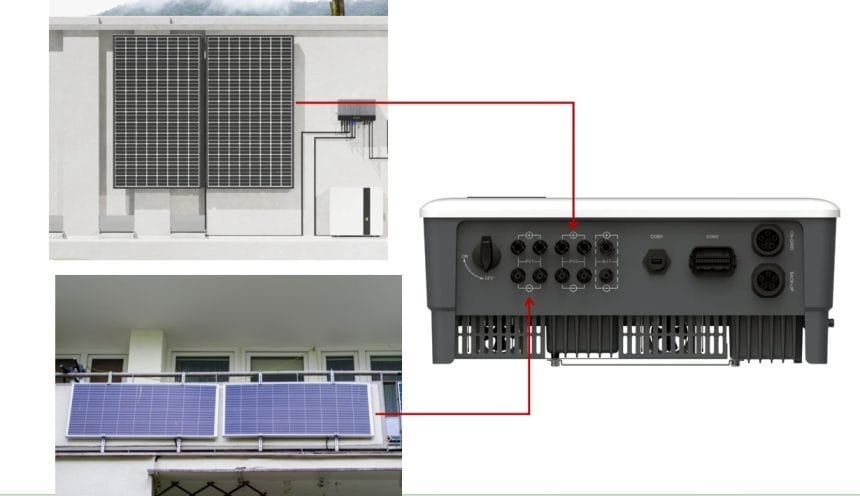
Connect Panels with the Same Orientation to the Same Inverter's MPPT
This is crucial when adding new solar panels. Ensure proper connections during installation.
The main rules are:
- Solar panels with different orientations cannot connect to the same MPPT.
- The total voltage of all panels in a series connected to one MPPT must not exceed the allowed voltage.
- The total current from all MPPT channels cannot exceed the inverter's maximum short-circuit current.
DIY photovoltaic systems installers must understand the microinverter's load limit
For mini PV systems using micro-inverters, make sure the number of panels is within the allowable input capacity, typically up to 1000W. To prevent equipment damage from overloading, the total capacity of diy pv panels in a micro-inverter system must be less than the rated capacity of the micro-inverter.
The installed solar panel capacity has already reached the limit of the micro inverter.
- Add a whole new photovoltaic mini system.
- Replace the micro inverter with a higher capacity one.
- Add a storage system to increase the utilization of solar power generation.
Limited Installation Space:
If you have no extra space to install more solar panels, but reducing household electricity bills is still necessary by adding new equipment.