
What Is Data Center Commissioning?
Data center commissioning is the process of verifying that building systems — power, cooling, fire safety, and controls — actually work as they should under load, not just on paper. It is distinct from installation verification, which only confirms that equipment is wired correctly. Commissioning asks a harder question: does the whole system hold together when you push it?
For cooling systems, the heart of commissioning is thermal validation: proving that your cooling infrastructure can handle the heat load it will actually see in production. Whether you're deploying direct-to-chip cooling, immersion cooling, or a hybrid setup, load bank testing under realistic conditions is where you find out if it works — not in simulation, not in design review, but under real thermal load.
Commissioning tends to get squeezed out when construction schedules slip. Nobody schedules extra time for it — yet the problems it catches, if left undetected, tend to surface right when you're trying to go live. Cooling failures, unexpected PUE readings, CDU control issues: these are the kinds of surprises nobody wants on launch day. And with AI workloads pushing rack densities past 30 kW, the margin for error is getting narrower by the year.
This checklist walks through five tests that should be part of any serious commissioning program, from direct-to-chip liquid cooling validation to full thermal management integration.
Worth knowing: Cooling-related failures show up in a large share of post-commissioning incident reports. Load bank testing during commissioning catches most of these before they become production problems.
Five Tests That Should Be in Every Commissioning Program
Heat Load Test
The heat load test is where most commissioning programs start — and where they catch the most problems. You use a load bank to simulate the thermal output of real IT equipment: GPU servers, CPU blades, storage systems. You apply precise kW loads and watch what happens to the cooling system. As AI workloads push rack densities well beyond traditional 6–16 kW ranges, this test has become load-bearing for anyone deploying high-density rack cooling.
It validates:
- CDU (Coolant Distribution Unit) capacity and response under load
- Coolant flow rates through the distribution network
- Temperature rise across the cooling loop
- Pressure drop consistency
- Thermal balance across multiple racks
PUE Measurement
PUE (Power Usage Effectiveness) is the ratio of total facility power to IT equipment power. A PUE of 1.0 means all power goes to computing — no overhead. Most facilities land somewhere between 1.2 and 1.8, depending on cooling architecture.
Why it matters: You can only optimize what you measure. PUE optimization under real load conditions tells you the actual energy cost of your cooling infrastructure — not the designed cost, not the simulated cost. This is becoming increasingly tied to regulatory compliance and ESG reporting, particularly in Europe. China's YD/T 6232–2024 standard explicitly mandates PUE testing at multiple load levels.
Primary Risk: Energy WasteCDU Validation
The CDU (Coolant Distribution Unit) validation test checks that the CDU behaves properly across its operating range — starting, ramping up, responding to load changes — without losing coolant temperature or flow rate stability. This matters for direct-to-chip liquid cooling and immersion cooling alike.
The test sequence:
- Start CDU and verify baseline temperatures
- Apply incremental load steps (25%, 50%, 75%, 100%)
- Measure response time to setpoint changes
- Test backup pump operation and failover
- Verify alarm and safety shutdown functions
UPS and Electrical System Testing
Electrical contractors often handle this, but it belongs on the commissioning checklist regardless. Load banks apply controlled electrical loads to stress-test:
- UPS runtime — Does the battery hold long enough at full load?
- UPS transfer — Does automatic switchover to backup power actually work?
- PDU loading — Are power distribution units rated correctly for peak loads?
- Generator start — Does the generator pick up the load cleanly?
Cooling System Integration Test
The final test brings everything together. You verify that all cooling subsystems work as one: chillers, CRAC/CRAH units, CDU, and building management systems (BMS). For hyperscale and edge computing facilities, this also means validating thermal management coordination across distributed cooling zones.
Scenarios to run:
- Single chiller failure — Do remaining units pick up the load?
- CDU redundancy — Does the backup CDU take over cleanly?
- Free cooling mode — Does the system switch to outside air economizer when conditions allow?
- Load balancing — Are multiple CDUs sharing load proportionally?
- Heat recovery — Can waste heat be redirected for reuse, such as district heating?
How These Tests Fit Into the Commissioning Sequence
Here is how these five tests slot into the overall commissioning sequence:
Load Bank Requirements by Test Type
| Test Type | Load Bank Type | Power Range |
|---|---|---|
| Heat Load Test (Liquid Cooling) | Floor-Standing Liquid Cooled Load Bank | 100–500 kW |
| PUE Measurement | Liquid Cooled or Air Cooled Load Bank | Full range |
| CDU Validation | Rack-Mounted Liquid Cooled Load Bank | 10–50 kW |
| UPS Testing | Air Cooled or Regenerative DC Load Bank | 100–500 kW |
| PDU Testing | Air Cooled Load Bank | 10–100 kW |
| Generator Testing | Air Cooled Load Bank | Full range |
Commissioning Standards and Compliance
A credible commissioning program should align with recognized industry standards. The main ones to know:
- ASHRAE publishes thermal design guidelines and energy efficiency metrics that most data center specs reference
- Uptime Institute defines Tier classifications with specific commissioning requirements tied to each tier level
- YD/T 6232–2024 is China's national standard for PUE measurement and acceptance testing
- ISO 50001 covers energy management systems, applicable to data center operations
- BICSI 002 provides data center design and implementation best practices
- EU Energy Efficiency Directive drives sustainability reporting and PUE optimization mandates for European data centers
Common Commissioning Mistakes to Avoid
- Testing at partial load only. Cooling systems behave differently at 30% vs. 100% load. If you only test at partial load, you will not know what happens at full load — which is exactly when it matters.
- Skipping thermal validation before server install. Installing servers before validating cooling is a bad sequence. If cooling fails during testing with live servers, you have damaged hardware.
- Skipping load bank testing entirely. Without a load bank, you are operating on assumptions. The data center will not tell you it has a problem until it is already failing.
- Not establishing a PUE baseline. You cannot improve what you do not measure. Capture PUE during commissioning so you have something to optimize against later.
- Weak documentation. Every test result should be logged, signed, and archived. Commissioning records are compliance evidence and troubleshooting references — treat them accordingly.
- Overlooking edge computing specifics. Edge facilities have less space, less redundancy, and tighter tolerances. Commissioning programs that work for hyperscale facilities may not catch the problems that matter at the edge.
- Not validating for high-density AI loads. If you are commissioning for AI infrastructure deployments — high-density rack cooling scenarios at 30–70 kW+ — you need to test those conditions specifically. Standard commissioning profiles will not expose the bottlenecks that GPU server loads create.
Frequently Asked Questions
What is the difference between commissioning and acceptance testing?
Commissioning is the full process of testing and verifying all building systems under load. Acceptance testing is the final step — the client confirming that the facility meets their requirements and signing off on the project. Acceptance testing is one piece of commissioning, not a synonym for it.
How long does data center commissioning take?
For a medium-sized facility (1–5 MW), plan for 2–6 weeks. Larger facilities can run 8–12 weeks or longer. Liquid cooling commissioning adds coordination overhead — electrical loading, coolant system fill, and thermal testing phases need to be sequenced properly.
Can commissioning be done after servers are installed?
Some tests can run with live servers. But it is a risk — if cooling fails during a test, you have damaged hardware. Best practice is to complete load bank testing before IT equipment installation. For retrofit projects where that is not possible, reduced-load load bank testing at conservative levels is acceptable.
What goes into a commissioning report?
A usable commissioning report includes: test procedures followed, equipment used (load bank specifications matter here), measured values against design values, PUE calculations, temperature and flow data logs, any deficiencies found, and sign-off from both the commissioning engineer and client representative.
Do edge data centers need commissioning?
Yes. Every data center benefits from it, and edge facilities arguably need it more — they have less redundancy and tighter tolerances, so problems have less room to hide before they cause outages. Compact rack-mount load banks work well for smaller edge facilities.
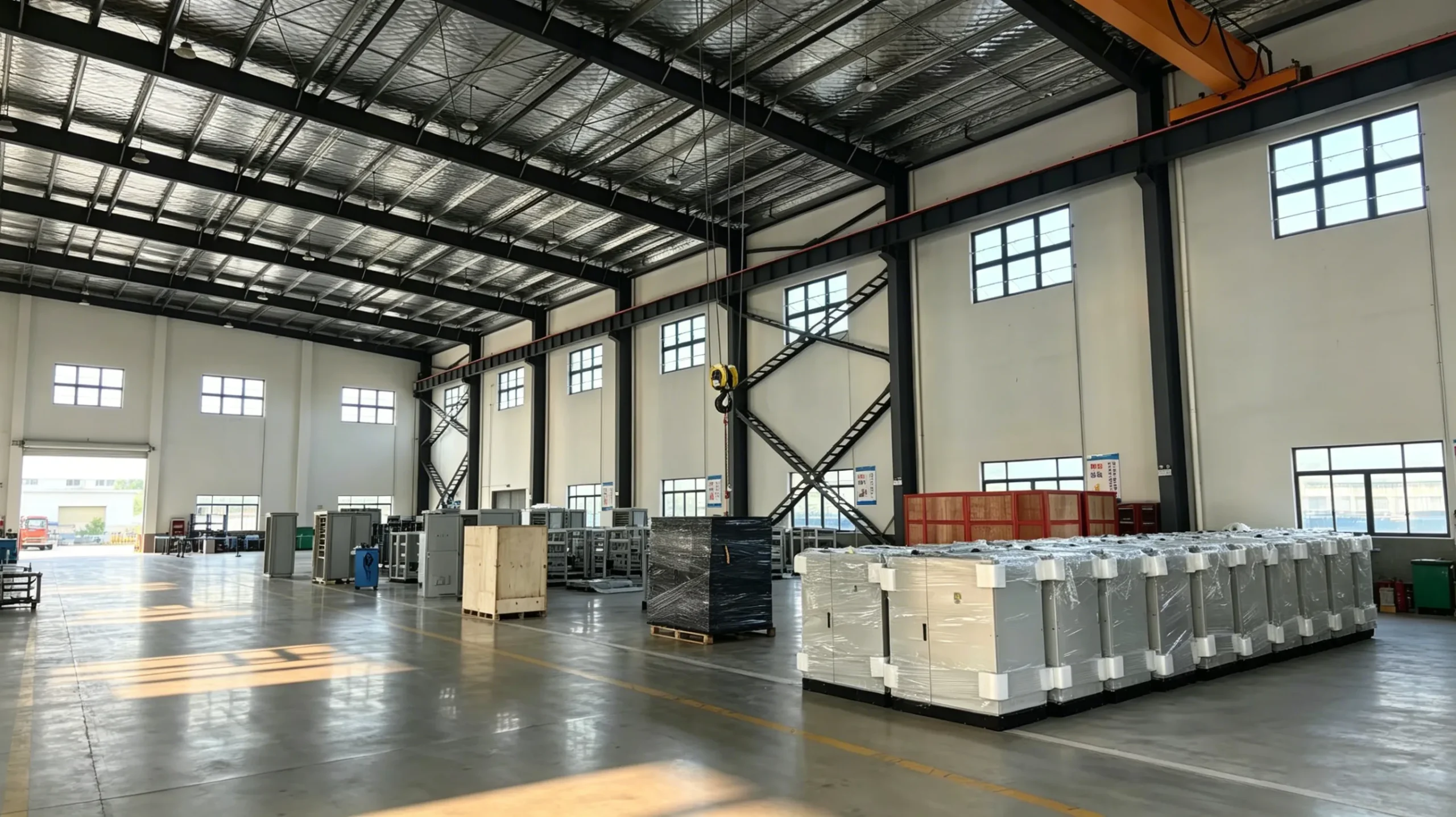
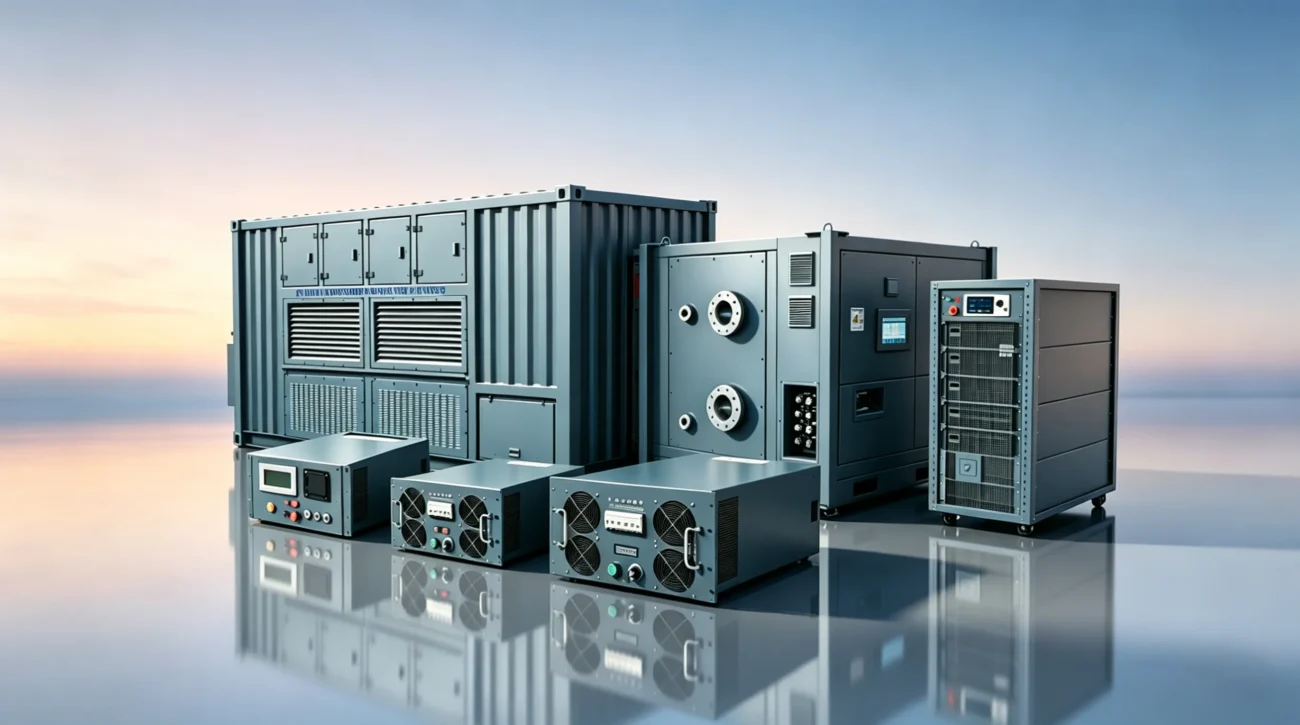
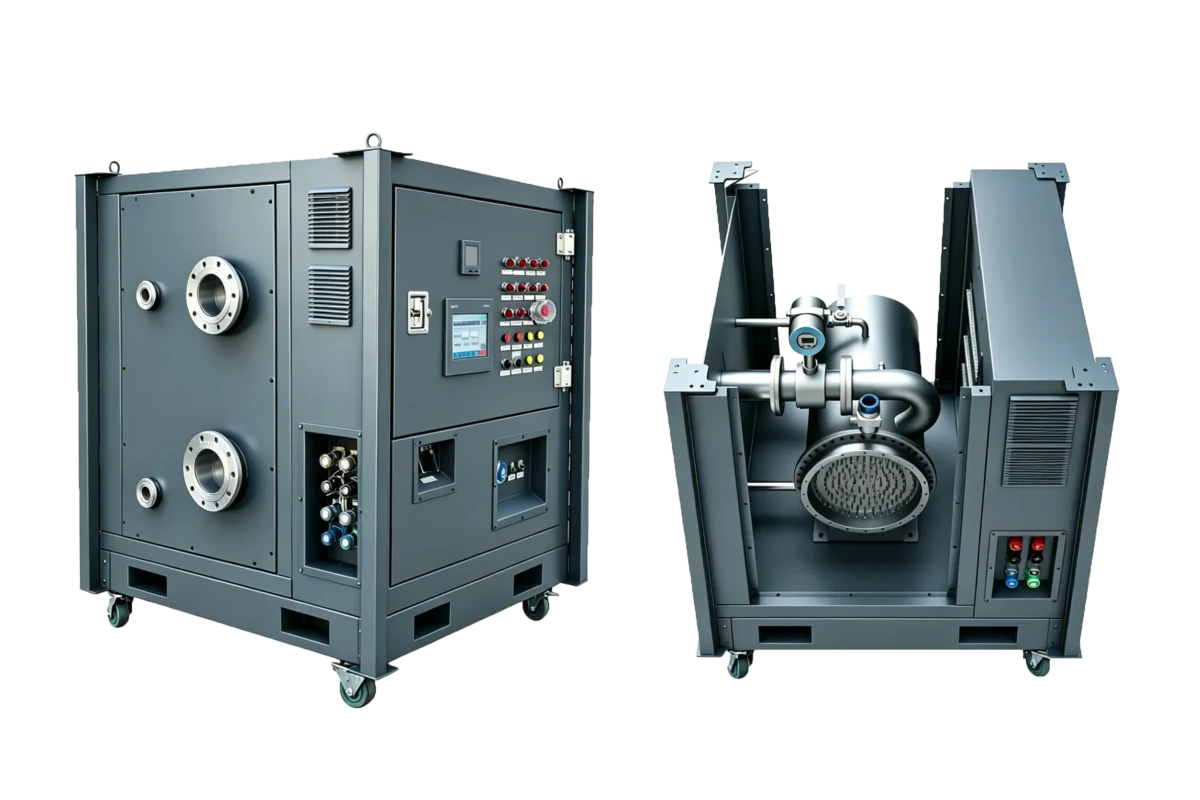
Don't Commission Blind: Batterlution Load Bank Validates Cooling Systems Before Servers Go Live
Why choose Batterlution liquid cooled load bank :
Fast ramp-up — Reach full load in < 5 minutes
Automated reporting — Compliance-ready documentation
Global support — Technical teams in Middle East & Europe
Competitive pricing — Direct from manufacturer